Building Hope
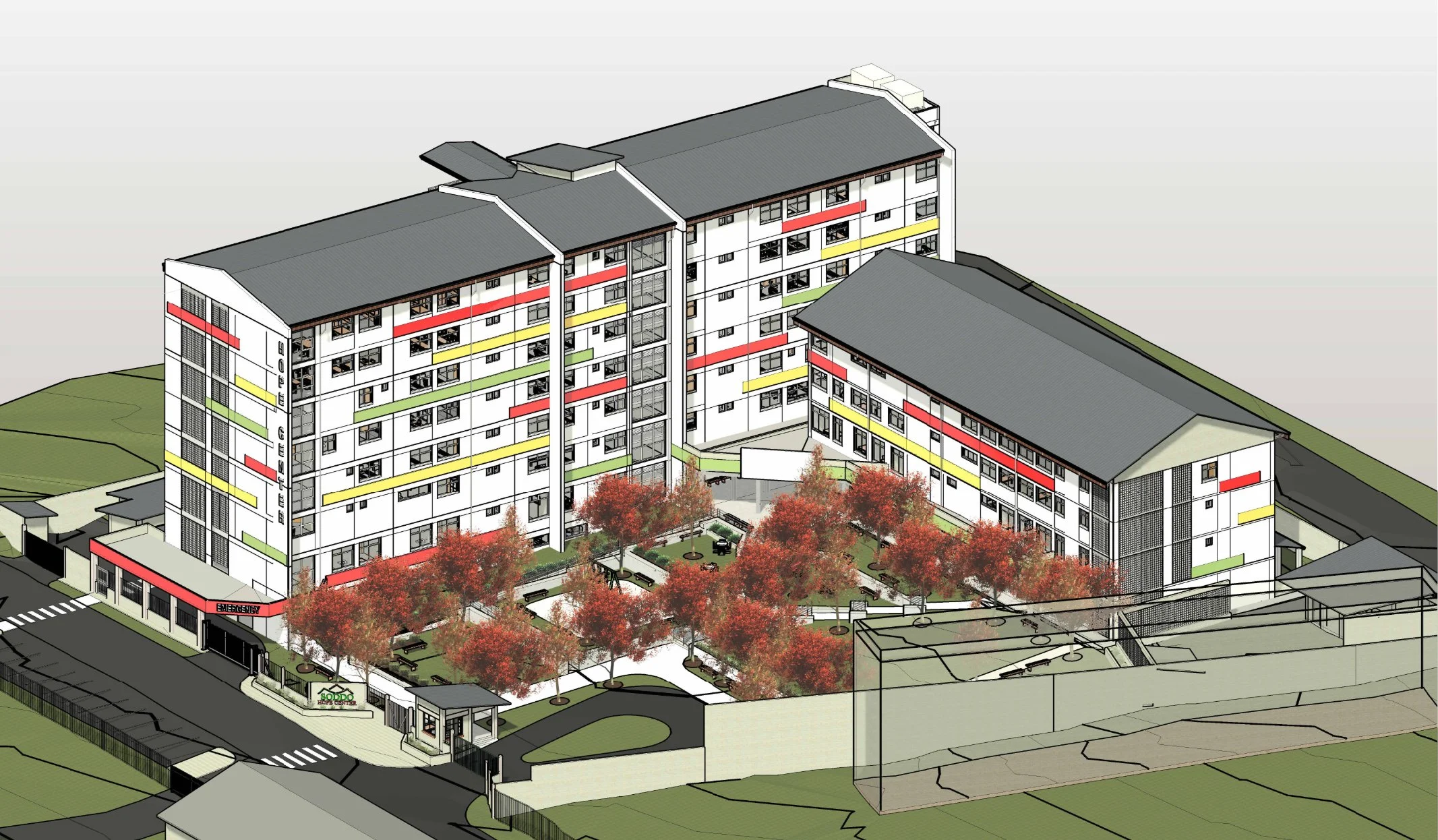
When we first visited Soddo Christian Hospital in 2023, construction had just begun on a new building next to the hospital. The foundation was being poured for what would eventually become the Hope Center, a new women's and children's hospital designed to help meet the rapidly growing healthcare needs of southern Ethiopia.
At the time, I had no idea how much of my life this building would eventually consume.
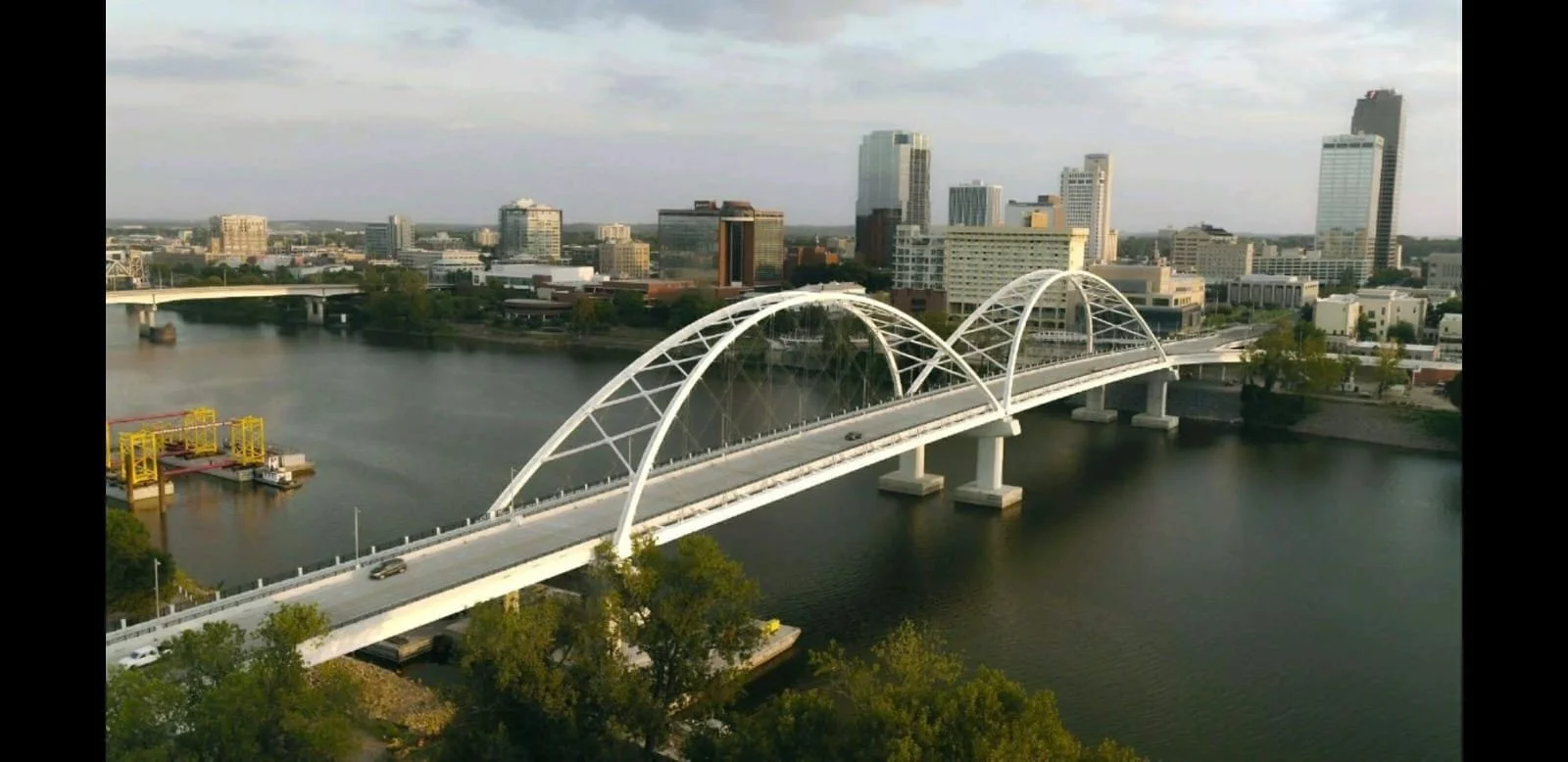
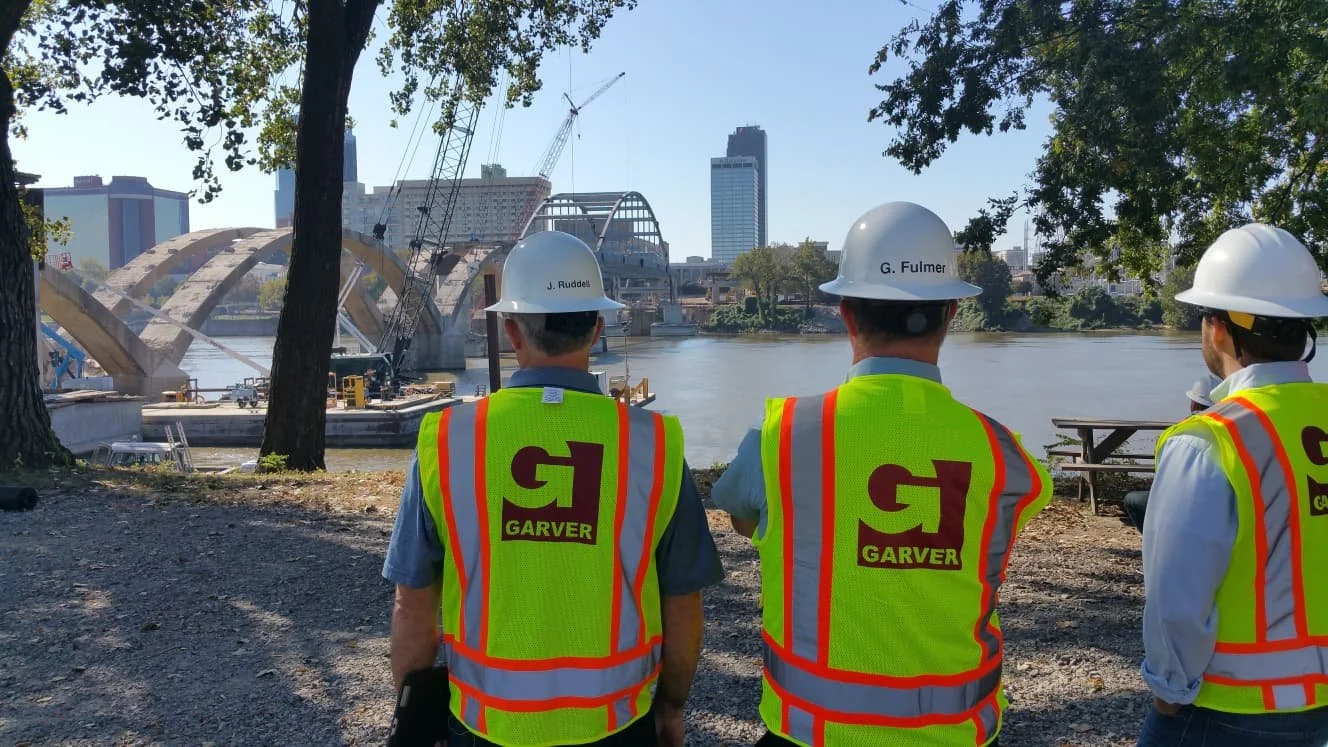
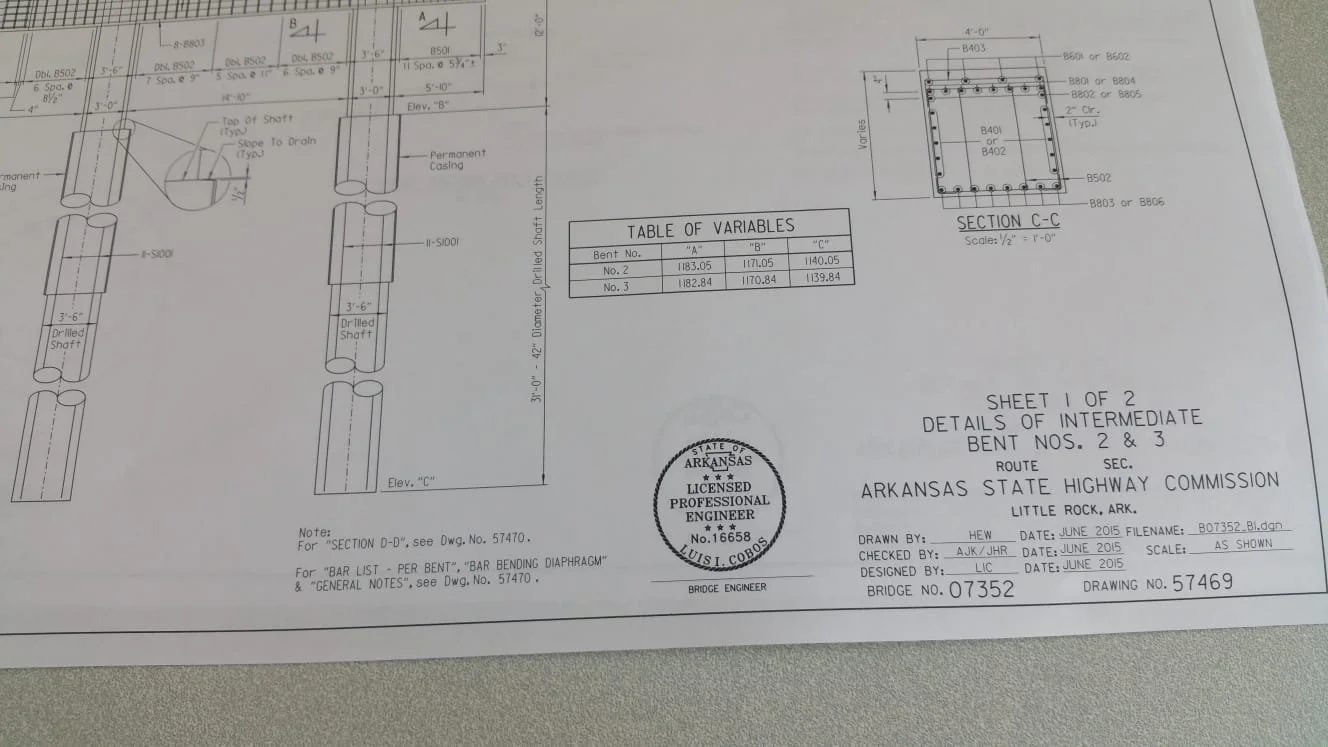
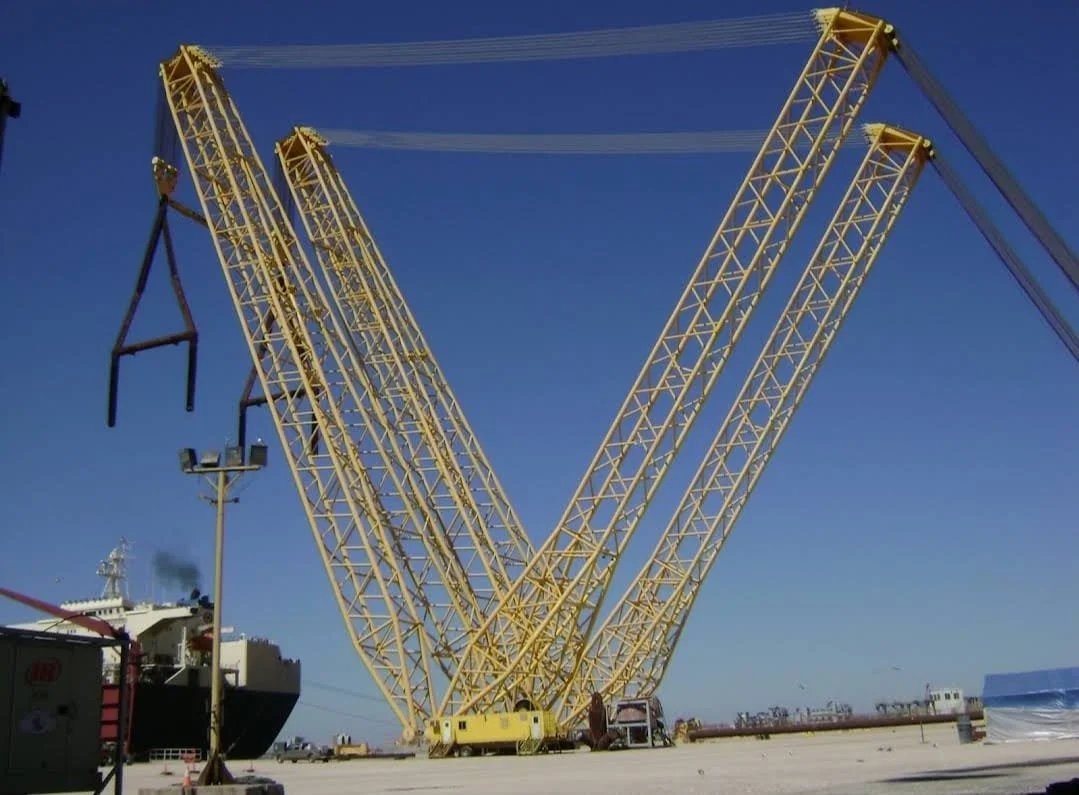
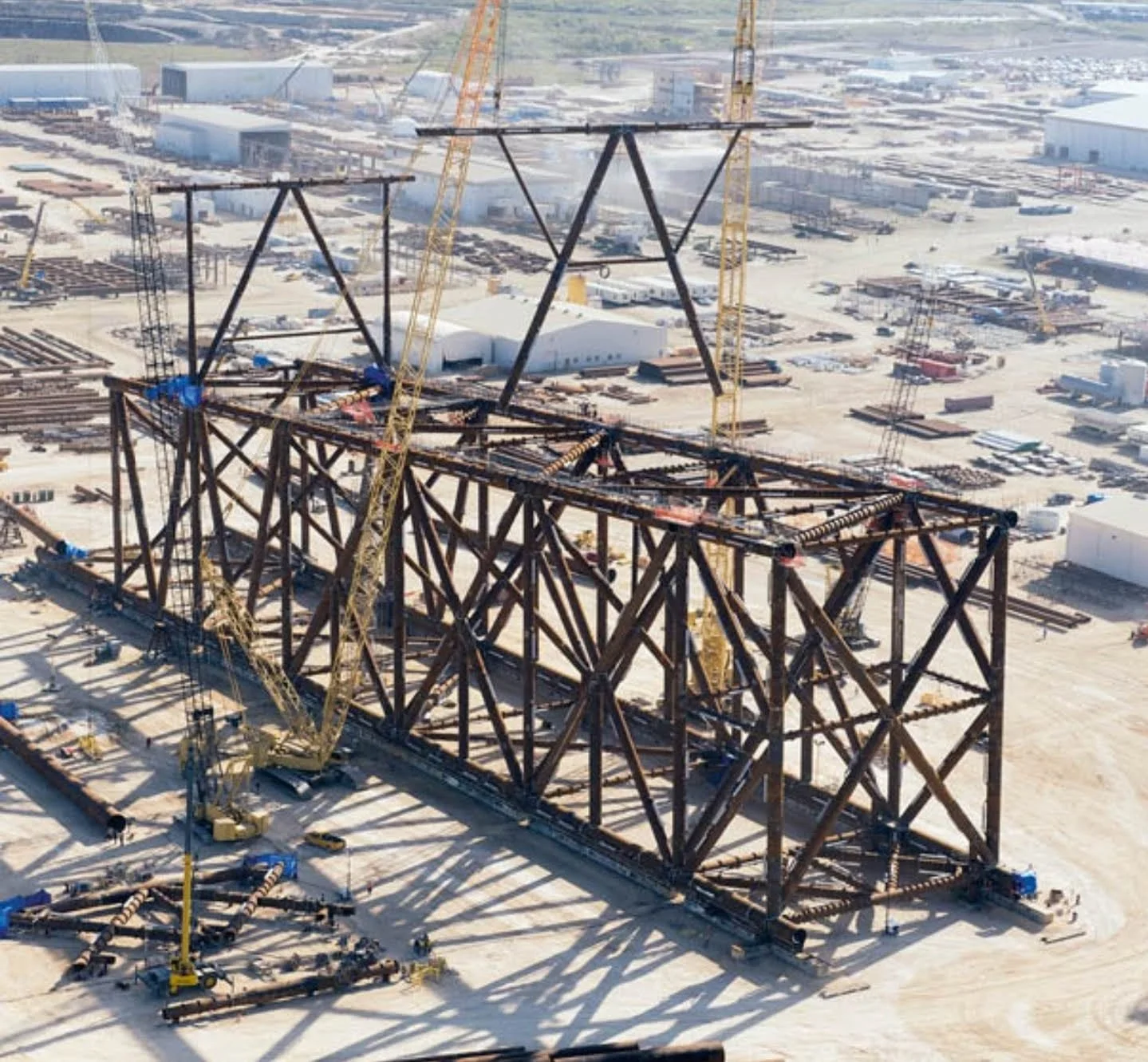
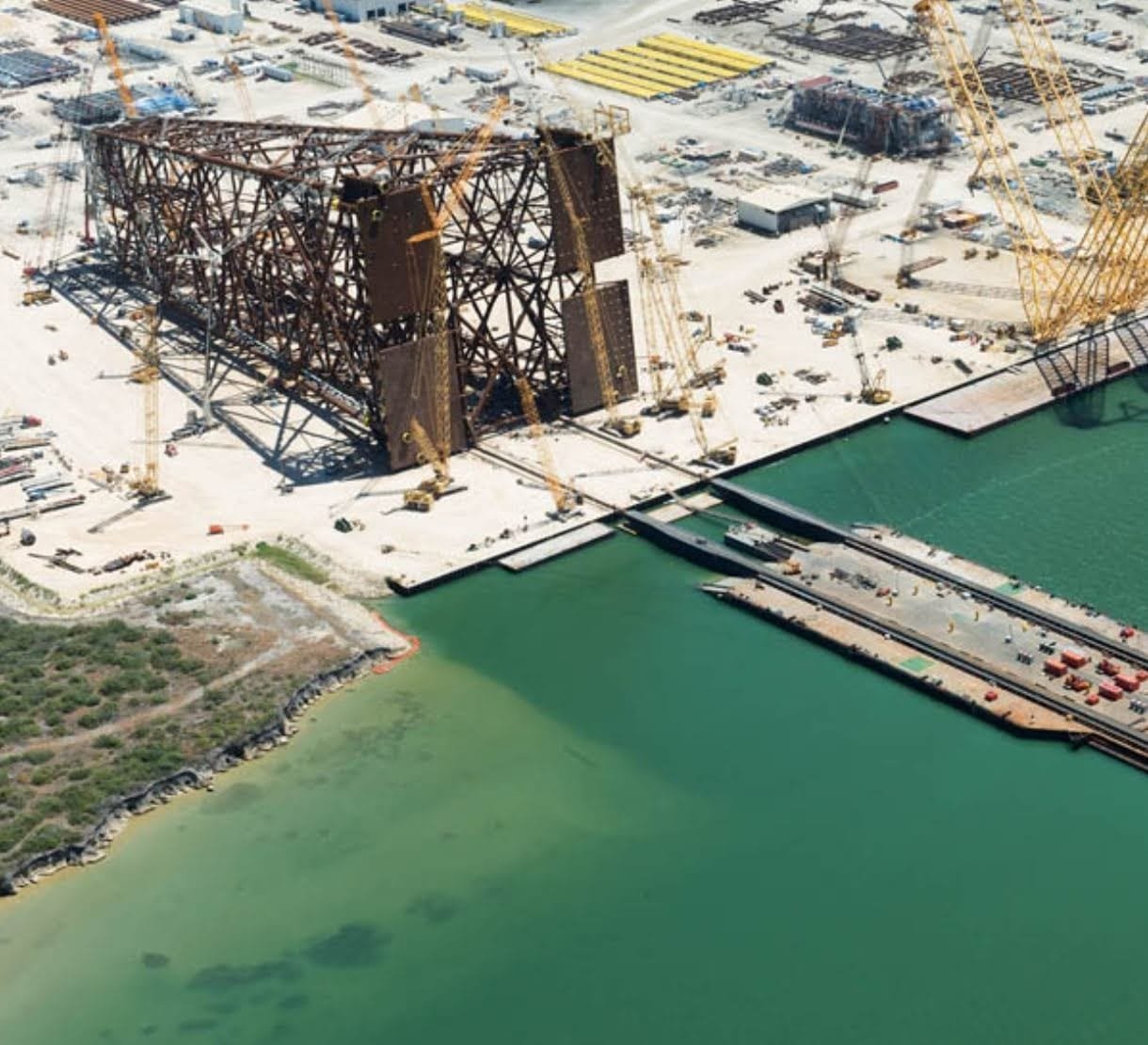
I'm a civil engineer. I've worked on bridges, offshore structures, and plenty of other complicated projects over the years.
But I've never built a building.
I've definitely never built a hospital.
And I've certainly never built a hospital in Ethiopia.
So naturally, I became the hospital's Construction Program Manager. What could go wrong?
The Need for Hope
Since our family moved to Soddo, it seems like nearly every month the hospital breaks another record for the number of babies delivered or patients treated. That's exciting, but it also creates a very practical problem:
We are running out of space.
Soddo is growing rapidly, especially since becoming the capital of Ethiopia's Southern Region, and the demand on our hospital is growing with it. For much of its 20-year history, Soddo Christian Hospital was a small local hospital. Today, it is evolving into a regional hospital serving more and more people across southern Ethiopia.
The Hope Center is the first major step toward preparing for that future.
At approximately 13,000 square meters, it will actually be larger than our entire existing hospital, adding 100–120 beds and dedicated space for women and children's services, including labor and delivery, operating rooms, emergency care, and intensive care for newborns and children.
It's an ambitious project.
And getting it built has been... interesting.
Building a Hospital in the Great Rift Valley
The local government generously donated the land for the Hope Center, and design began more than four years ago. About a year later, however, we were told that if construction didn't begin soon, we risked losing the land.
Well, that tends to accelerate a construction schedule.
The team fast-tracked the project, beginning construction on the simpler administration building while design of the larger medical building continued. When we first visited Soddo for our vision trip in 2023, they were pouring the foundation for the administration building.
By the time we moved to Ethiopia in 2024, the hospital had brought in a larger architecture team to move the increasingly complex project forward.
That's when the new structural engineers found a problem.
A seismic problem.
For those unfamiliar with Ethiopian geography, Soddo sits in the Great Rift Valley.
So "we have a problem with the earthquake design" isn't exactly something you want to hear about your partially constructed hospital.
This also happened to be right around the time I became involved.
Welcome to the project, Luis.
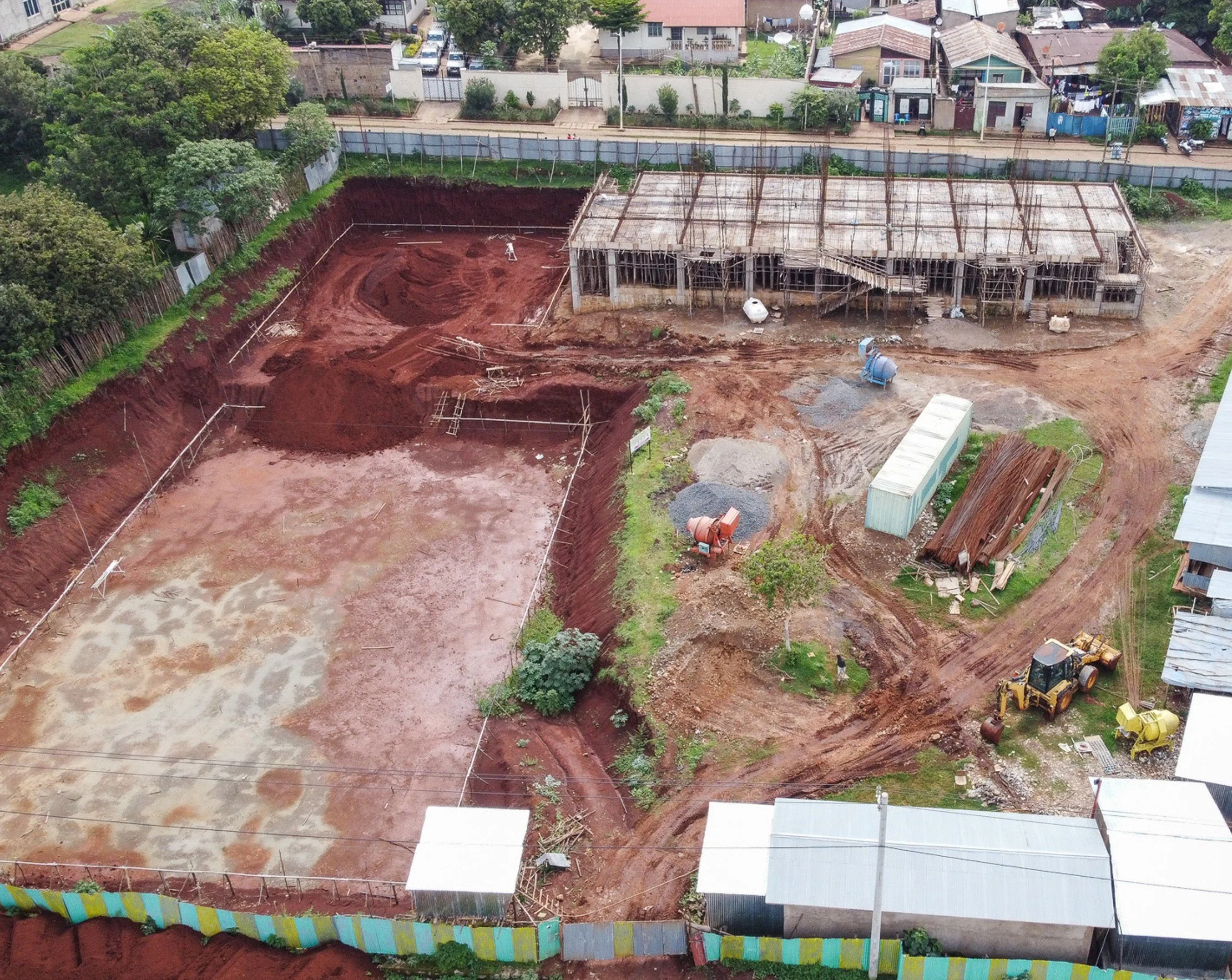
The administration building in the top right and the foundation of the medical building on the left
What followed was nearly a year of engineering reviews, meetings, calculations, and redesigns. Eventually, the team developed a seismic retrofit that could be incorporated into the portions of the buildings already constructed.
It wasn't exactly the start anyone would choose, but we finally had a path forward.
Then came the next challenge: Actually building the thing.
Drinking From the Fire Hose
Hospitals happen to be ridiculously complicated buildings.
Apparently you can't just build some rooms, throw in some beds, hang a few IV poles, and call it a hospital. Who knew?!
There are operating rooms, medical gases, specialized ventilation, emergency power, infection control, medical equipment, and seemingly a thousand other systems that all have to work together.
And then you have to figure out how to build all of that in Ethiopia.
“How do we build the best hospital we can, with the resources we have, in the context where we actually live?”
Take something as boring as a light fixture. In America, I can search hundreds of suppliers, find exactly what I need, click a few buttons, and potentially have it on the jobsite within a week.
Here in Ethiopia? First, we figure out whether it's available locally. Usually it isn't. Then we navigate import approvals, find an international supplier, arrange shipping to Djibouti, wait for it to clear customs, sometimes with interesting additional complications… and finally truck it hundreds of kilometers to Soddo.
Congratulations! Your light fixture has arrived. Four months later.
Now multiply that by thousands of components in a 13,000-square-meter hospital.
Suddenly, we can't just ask, "Can we get it?" We have to ask, "Can we afford it? Can someone here install it? Can we maintain it? And when it breaks five years from now, can we get another one?"
The learning curve has been steep. There are definitely days when I sit in a meeting listening to people discuss some hospital system I've never dealt with before and think:
I build bridges.
But that's also part of what has made this project so rewarding. I'm constantly learning and working alongside Ethiopian architects, engineers, contractors, physicians, administrators, and outside experts to answer one basic question:
How do we build the best hospital we can, with the resources we have, in the context where we actually live?
That last part matters.
We're not trying to build an American hospital in Ethiopia. We're trying to build an excellent Ethiopian hospital. One that provides outstanding care while still being practical to operate and maintain for decades to come.
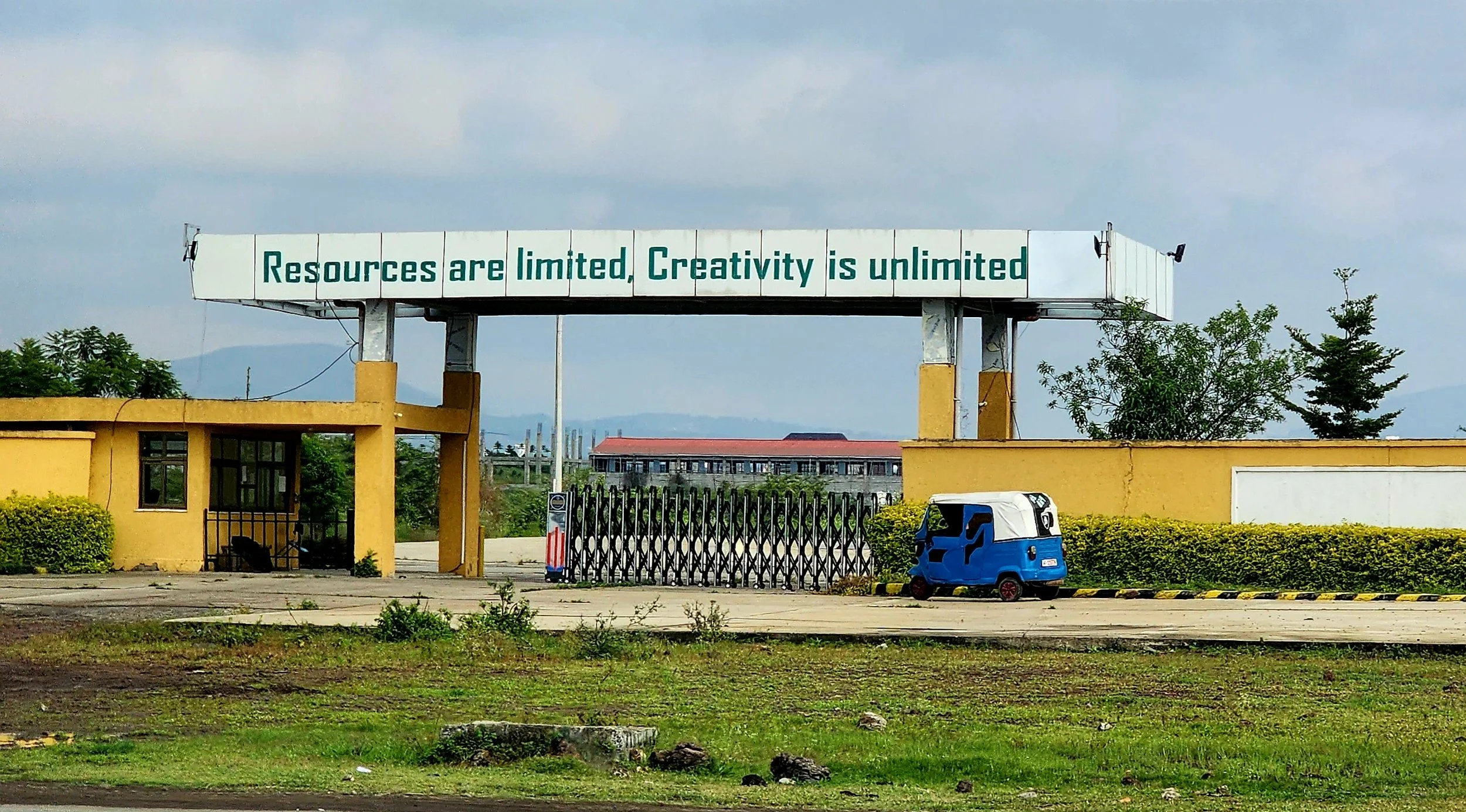
This sign on an abandoned factory has become a fitting reminder as we navigate the challenges of building in Ethiopia.
Then the Bids Came Back...
After nearly a year of redesign, we finally sent the Hope Center out for construction bids earlier this year. It felt like a huge milestone. Then we opened the bids.
Ouch.
Every one came back significantly higher than expected. There wasn't one culprit. The project began more than four years ago, and since then inflation, fuel, transportation, and import costs have all increased. We also deliberately approached some of Ethiopia's highest-level contractors because a hospital isn't exactly the place to cut corners on construction quality.
It all adds up.
Ultimately, we made the difficult decision to cancel the initial bid rather than commit the hospital to a contract we couldn't responsibly afford.
Four years of planning. A year of redesign. Months preparing the bid documents.
And then... back to the drawing board. Sort of.
We haven't given up. We've been working with the leading contractor on value engineering, essentially asking two questions over and over again:
What do we really need?
What can we simplify, source differently, or postpone without sacrificing safety or quality? And equally important:
Where can we absolutely NOT compromise?
We're working toward a project we believe can be built responsibly, but we've also had to acknowledge another reality: the money originally raised for the Hope Center is probably not going to be enough.
A lot has changed in Ethiopia since fundraising began more than four years ago, and construction costs have changed with it.
So we're going to need help.
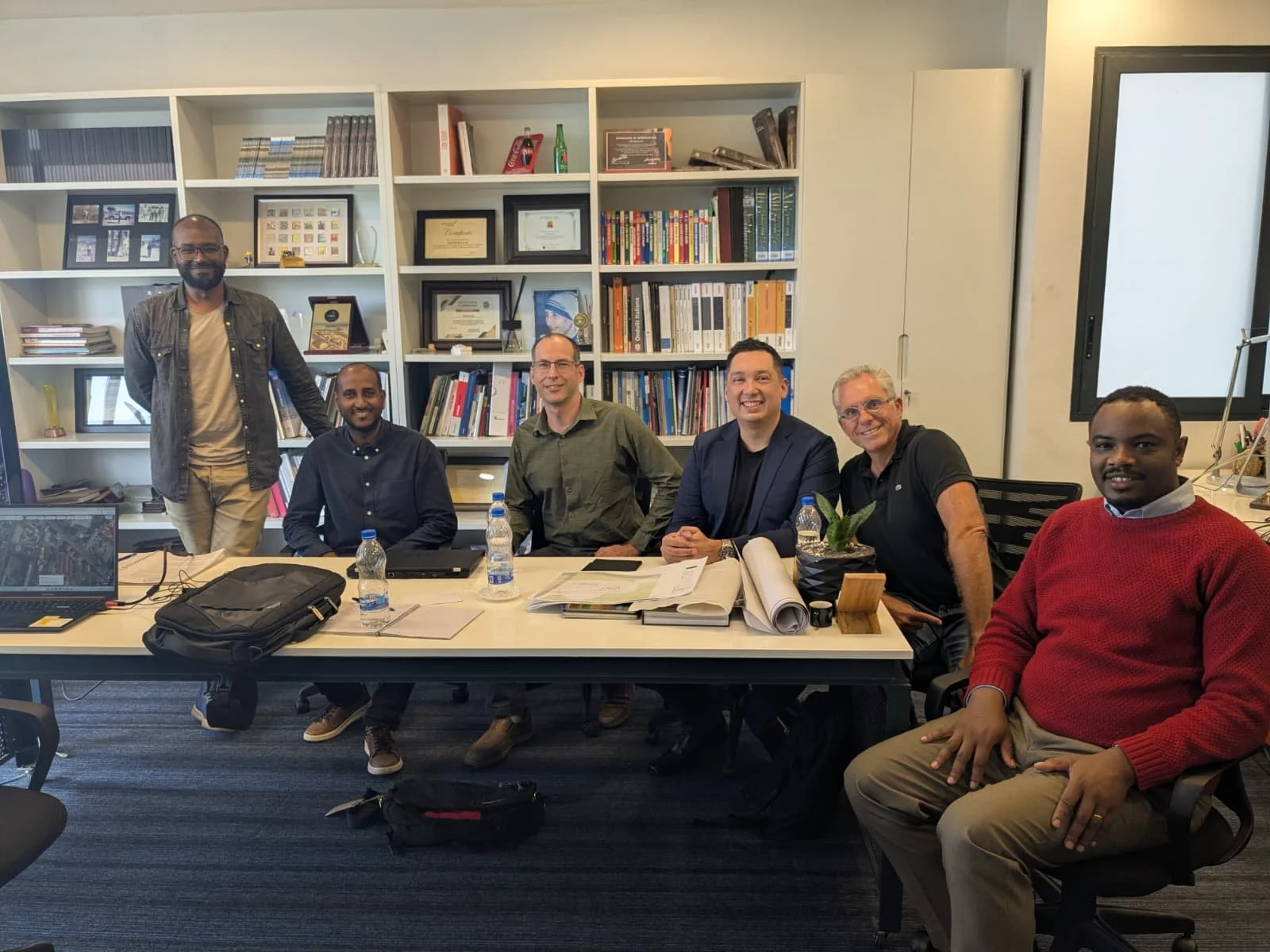
The SCH team meeting with our contractor
More Than Concrete
It's easy for me to spend my days thinking about concrete, steel, drawings, contracts, seismic calculations, schedules, or budgets. But that's not really what we're building.
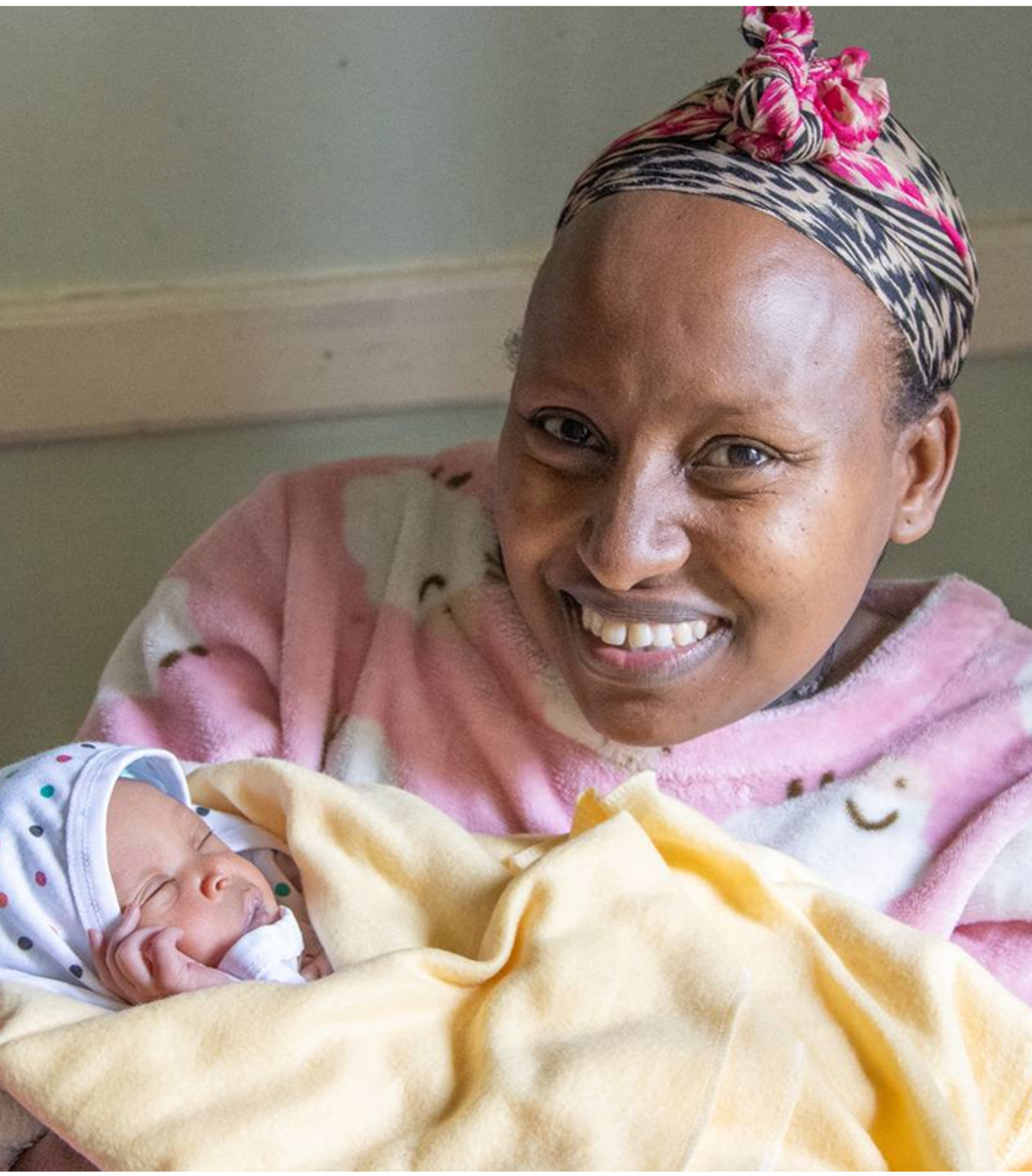
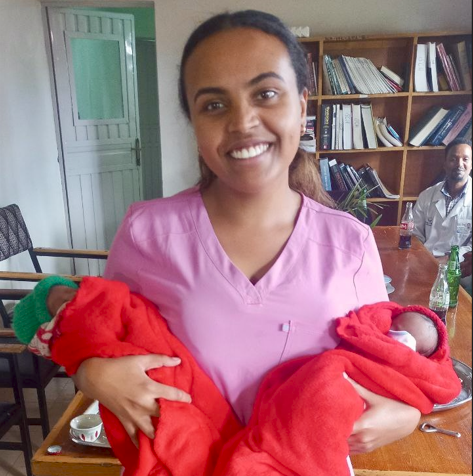
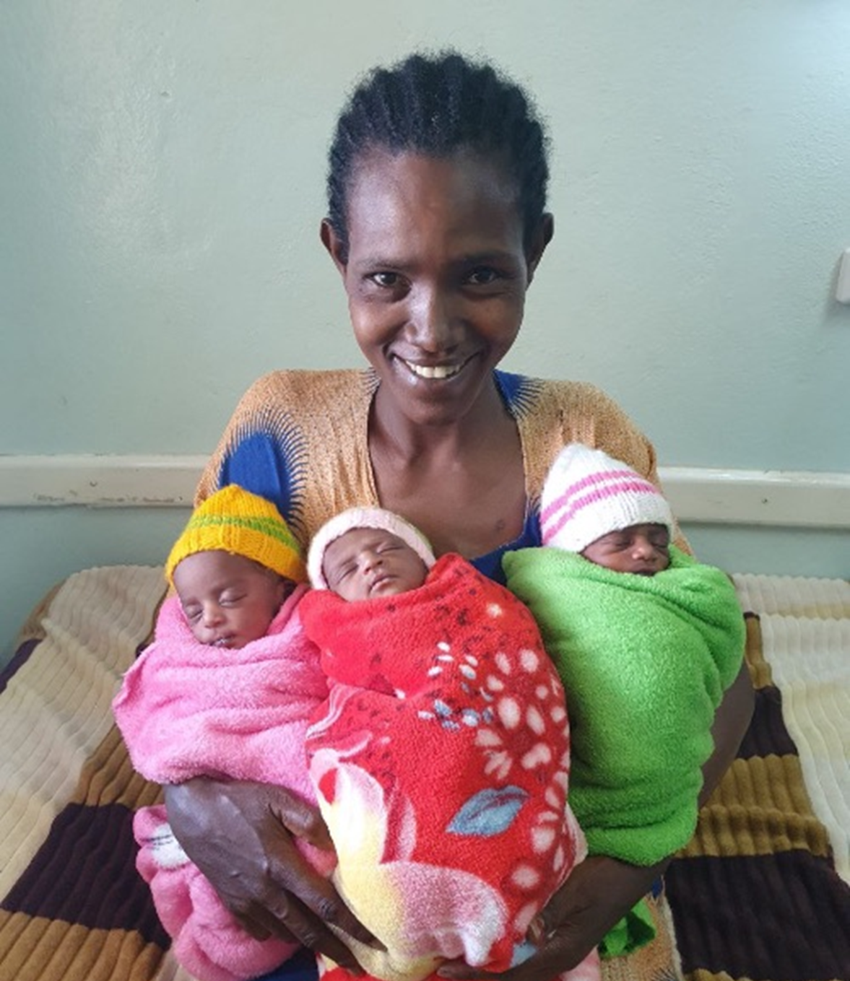
We're building a place where a mother can safely deliver her baby.
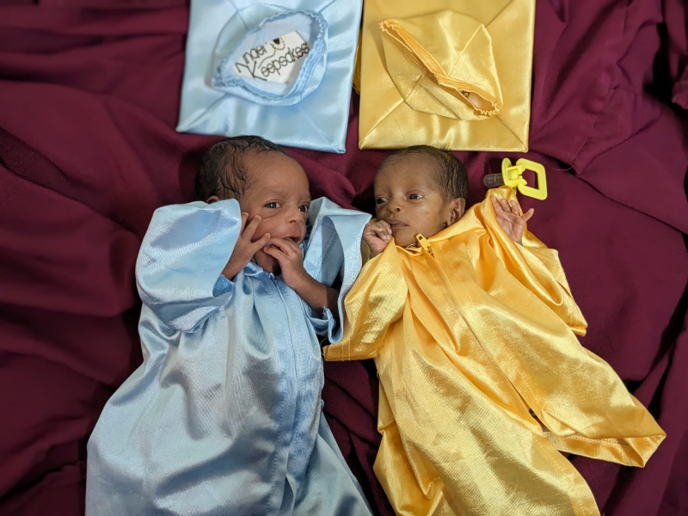
Where a premature newborn can receive specialized care in a neonatal ICU.
Where a critically ill child can have a bed in a pediatric ICU.
Where an emergency operation doesn't have to wait because every operating room is already occupied.
And where doctors and nurses have the space and resources they need to care for a rapidly growing number of patients.
This is the first major piece of what we hope Soddo Christian Hospital can become over the next 20 years.
The hospital is changing. Soddo is changing. Southern Ethiopia is changing.
We want to be ready to serve that growing need.
I still have days when I look at this enormous project and think: What have I gotten myself into?
But then I remember what will eventually happen inside these walls.
And suddenly all those meetings, redesigns, shipping headaches, spreadsheets, seismic calculations, and even those light fixtures that took four months to arrive… feel worth it.
We have a long way to go.
We need wisdom. We need partners. We need additional financial resources. And we're praying for people and organizations who believe in what the Hope Center can become and want to help us finish it.
Because at the end of the day, we're not just trying to finish a building.
We're trying to build Hope.
Praises:
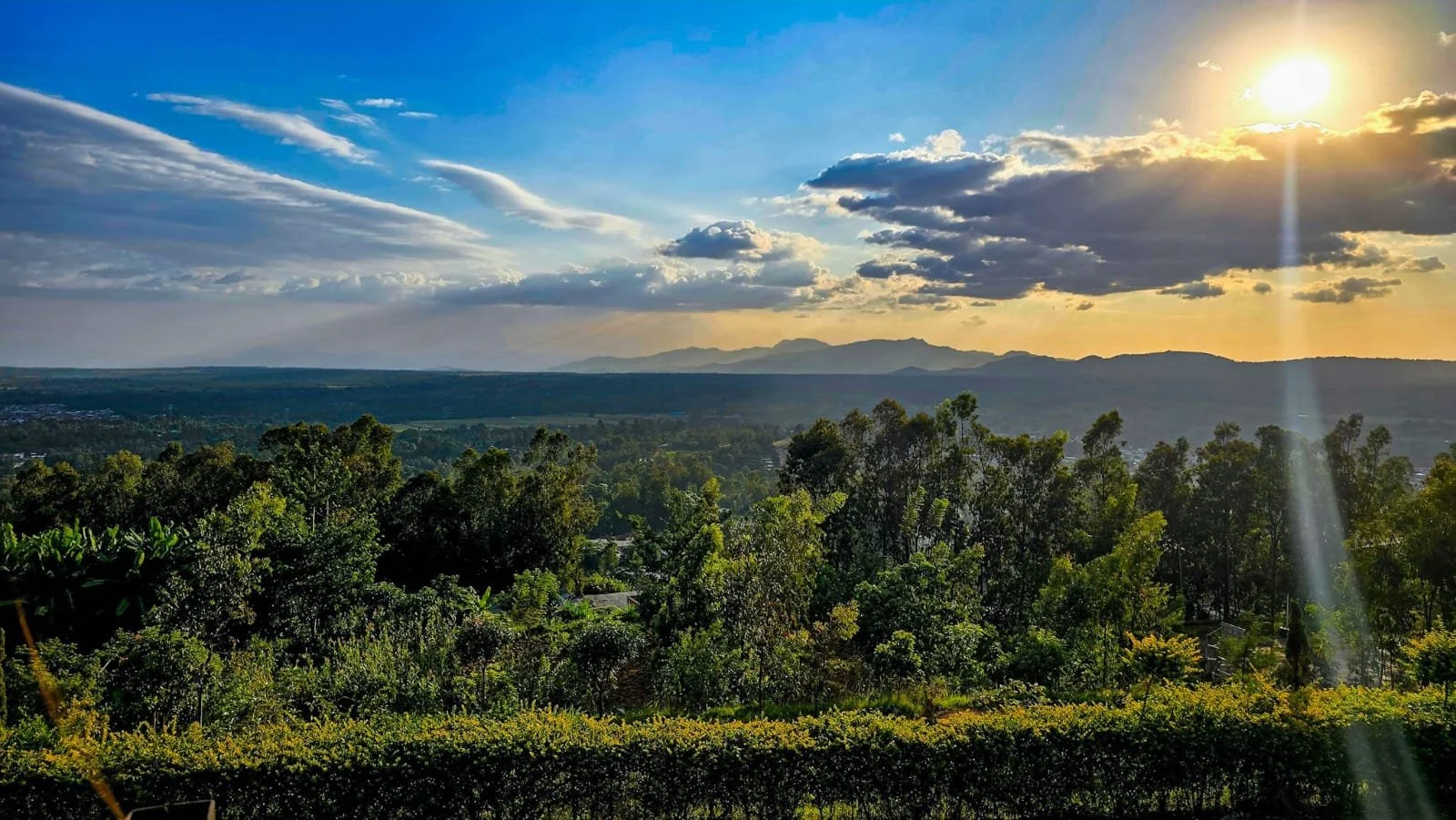
Finding a New Rhythym
We are settling into our new rhythm since returning to Soddo from our home assignment!
New School Year
Cobos Academy, Year 2 is underway! Enrollment is up 33% from last year! (We added Joshua, lol) and our teaching staff will soon increase by 50%! (More on that later).
Things to Pray For:
Discipleship Opportunity: Please pray for a young married couple whom Rachel trains who have approached us about continuing to obey the Lord and potentially pursue medical missions in another African country. Please pray for us as we continue to disciple and guide them in this process.
New Teammates: Please pray for our team to grow. We’ve had encouraging conversations with several people interested in serving in Soddo. Pray for clarity and discernment in their next steps and that God would bring the right people to join us.
The Hope Center: Please pray for wisdom and provision as we move the Hope Center toward construction. Rising costs have created a significant funding need, and we are praying for the right partners and resources to help bring this new women and children’s facility to completion. One day, mothers and children will receive care here, Ethiopian physicians and nurses will serve here, and future healthcare professionals will be trained within these walls.
If you, your church, your business, or someone you know would like to help us build Hope, we would love to connect. You can partner through a financial gift, connect us with a foundation or organization that may want to support the project, or simply share the need with others. Please reach out to us to learn more, or give here.
If you have any prayer requests, we would love to hear from you. If you would like to set up a video chat, send us a message! You can contact us on WhatsApp or email us at LCRC@cobosethiopia.org.
If you want to learn more about how to help us on this journey, please click the link below!