
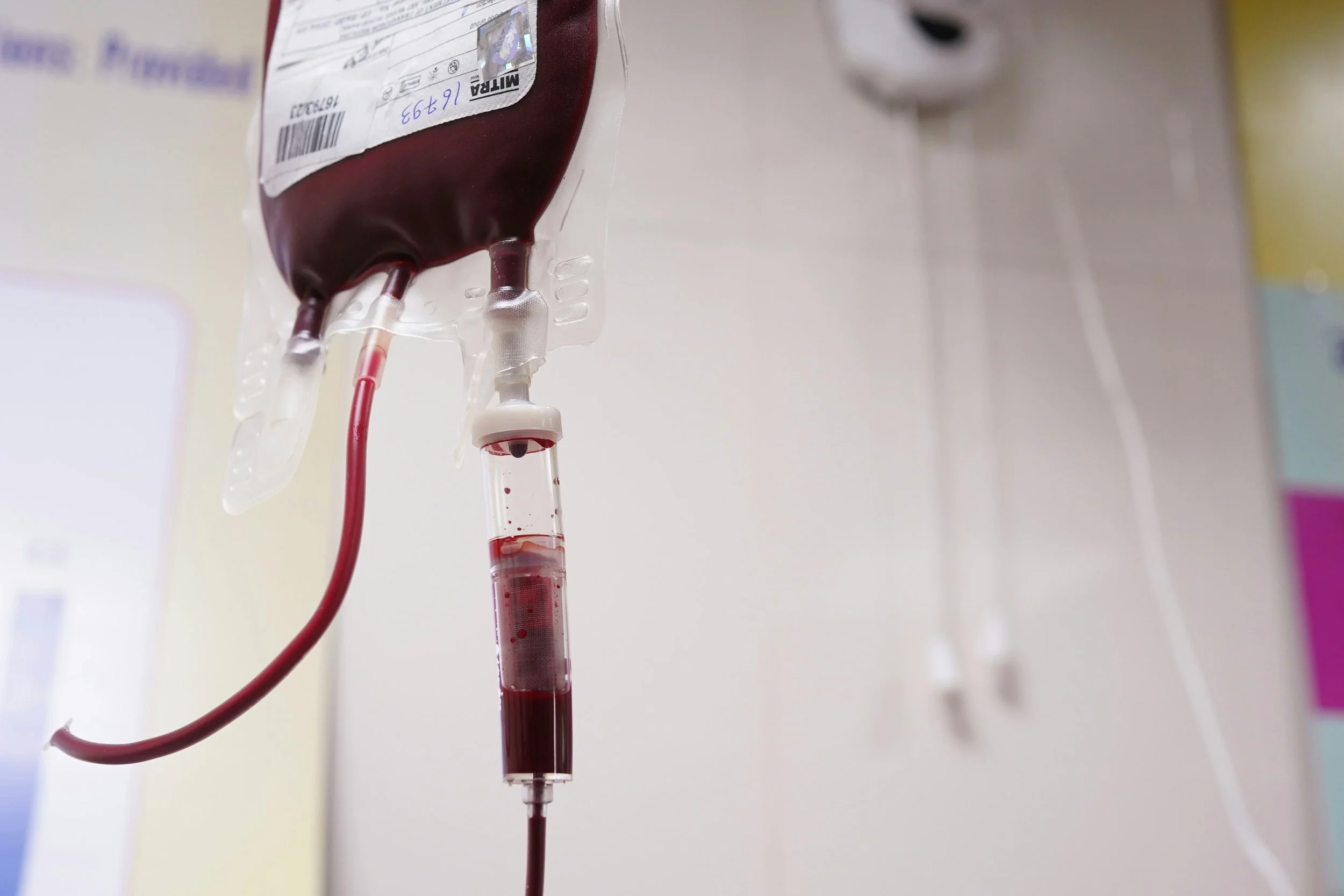
Three Units of Blood
"His hematocrit is 8%. His belly is full of blood. And we only have one unit of blood available in the entire hospital."
This was the situation we faced with a 14-year-old boy who desperately needed emergency surgery.
For those without a medical background, hematocrit measures the percentage of your blood made up of red blood cells, the cells responsible for carrying oxygen throughout your body. A normal hematocrit for a teenager his age is roughly 37–49%.
His was 8%.
As a trauma surgeon, caring for patients with life-threatening bleeding is nothing new. But practicing surgery in Ethiopia adds another layer of complexity… sometimes the resources needed to save a life simply aren't available.
“I need at least a couple more units of blood if we’re going to give him a chance.”
This boy needed surgery to stop the bleeding in his abdomen. But without enough blood to replace what he had already lost (and what he might lose during surgery), his chances of survival were incredibly slim.
I turned to our wonderful pediatrician, Dr. Michelle, who has served at Soddo Christian Hospital for more than a decade.
"I need at least a couple more units of blood if we're going to give him a chance."
She immediately mobilized our laboratory team and blood bank staff. Our lab director began calling the local blood bank and surrounding hospitals, searching for any blood they could spare.
And somehow, they found three units.
Three units of blood that would give this boy a fighting chance.
We immediately transfused two units and rushed him to the operating room.
“Call everybody in the city and see what we can get!”
Working alongside our excellent anesthesia team, we opened his abdomen, evacuated the blood that had collected inside, and found and repaired the source of the bleeding. Because of how critically ill he was, we packed his abdomen to help control any remaining bleeding and brought him back to the intensive care unit (ICU), planning to return to surgery the following day.
After surgery and the blood transfusions, his hematocrit had climbed to 21%.
Still far below normal, but at least we were back in double digits!
He made it through the night, but the following day his heart rate began climbing and his abdomen became increasingly swollen (concerning signs that he might be bleeding again).
We quickly took him back to the operating room. Thankfully, we were able to address the problem, remove the packing, and close his abdomen.
And then something remarkable happened.
He started getting better. Fast.
Children never cease to amaze me with their ability to recover. Within a day, he was sitting up and drinking. Before long, he was well enough to leave the ICU for the regular surgical ward.
Just days earlier, he had been on the edge of death.
Now he was walking around.
I don't take moments like that for granted.
“What if we hadn’t found those three units of blood??”
It Takes a Team
There are plenty of hard days as a surgeon, especially in a resource-limited setting. Some days, despite everyone's best efforts, the outcome isn't what we hoped for.
That's why it's so important to celebrate the victories, no matter how small or big.
And this was a victory that belonged to an entire team.
From Dr. Michelle recognizing the urgency and mobilizing our staff, to our laboratory team tracking down those precious units of blood, to the anesthetists, surgeons, ICU nurses, and everyone else who played a role in his care… each person helped give this boy a chance at life.
Surgery is not a solo sport.
One of the greatest privileges of serving at Soddo Christian Hospital has been working alongside such dedicated Ethiopian and international colleagues. Watching everyone come together for this boy was both encouraging and humbling.
And yet, I keep coming back to one uncomfortable thought:
What if we hadn't found those three units of blood?
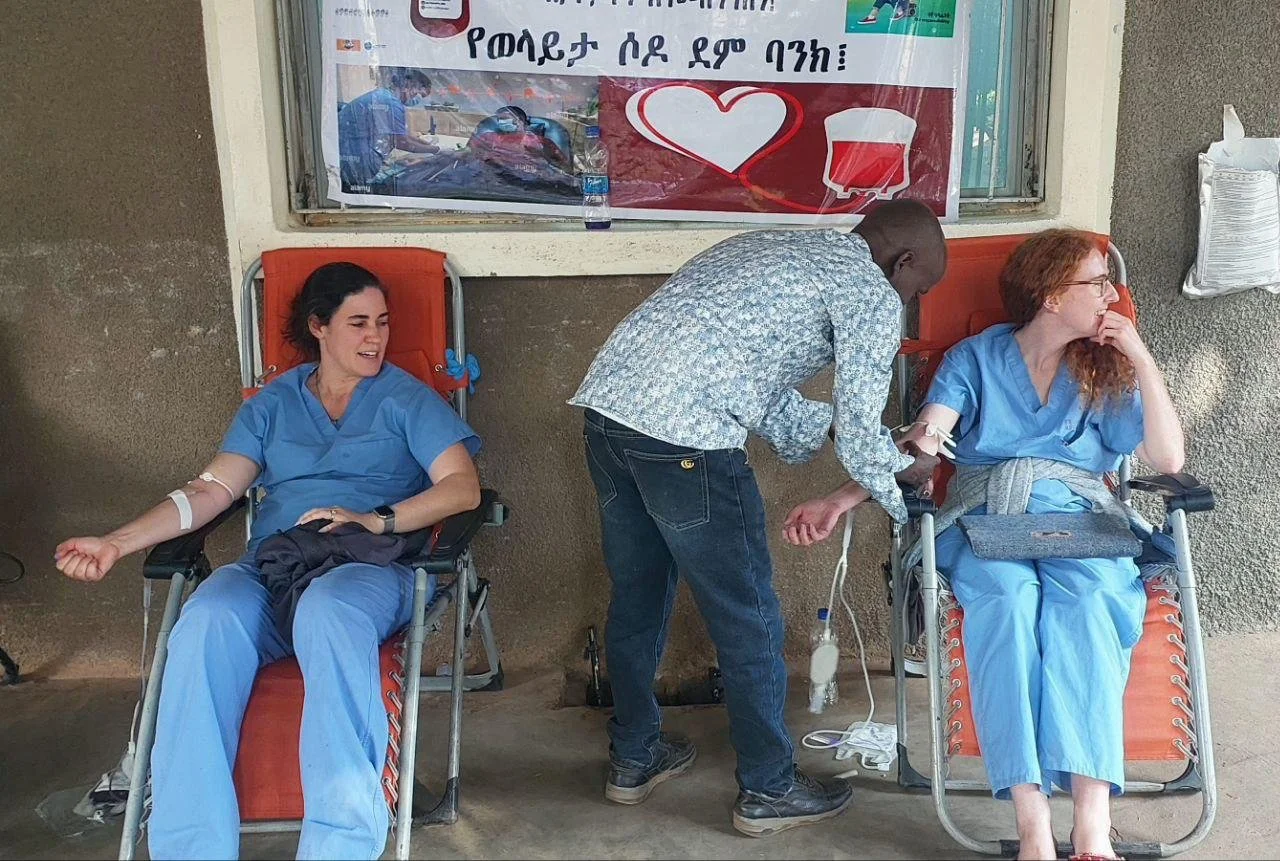
SCH Blood Drive
The Challenge of Blood Supply
Blood shortages are not a new problem in Ethiopia. They existed long before we arrived, and there are many factors contributing to them.
Some are more difficult to address than others.
Recently, I learned that one of the challenges facing our local blood bank is simply a lack of funding to organize blood drives.
Think about that for a moment.
There are people who need blood. There are people who might be willing to donate. But even organizing opportunities for those donations requires resources that aren't always available.
Our hospital periodically hosts blood drives in partnership with the local blood bank, but those efforts alone cannot keep up with the demand.
Another challenge is that direct, patient-specific blood donations are no longer permitted under Ethiopia's current blood donation system. In many other resource-limited settings, when blood is unavailable, a patient's family member or friend can sometimes donate directly to help meet that need.
I remember visiting a small hospital in eastern Congo when I was a college student. A toddler arrived with a dangerously low blood count, similar to our young trauma patient. Severe anemia like this is not uncommon in places where malnutrition and repeated malaria infections are prevalent.
His mother was able to donate blood for him.
I still remember watching the transformation.
A little boy who had been lethargic and barely moving was soon hopping around the waiting room.
It was an incredible reminder of how something as seemingly simple as a blood transfusion can completely change the trajectory of a life.
And it's a reminder that has stayed with me.
Here in Soddo, we have talented physicians, dedicated nurses, capable surgical teams, and patients who desperately need our help.
But sometimes, the difference between life and death comes down to whether we can find a few units of blood.
Thankfully, for one 14-year-old boy, we did.
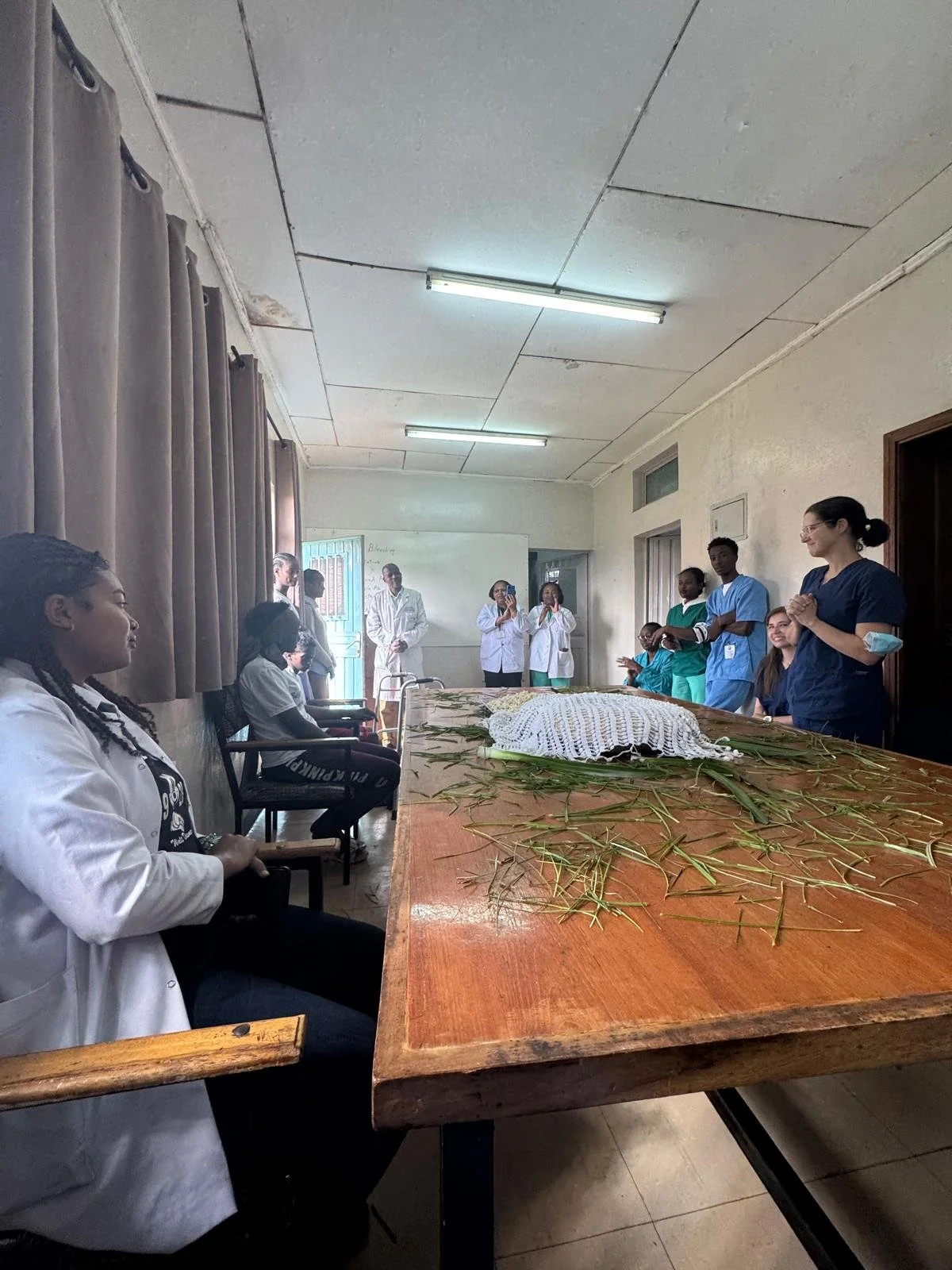
Praises:
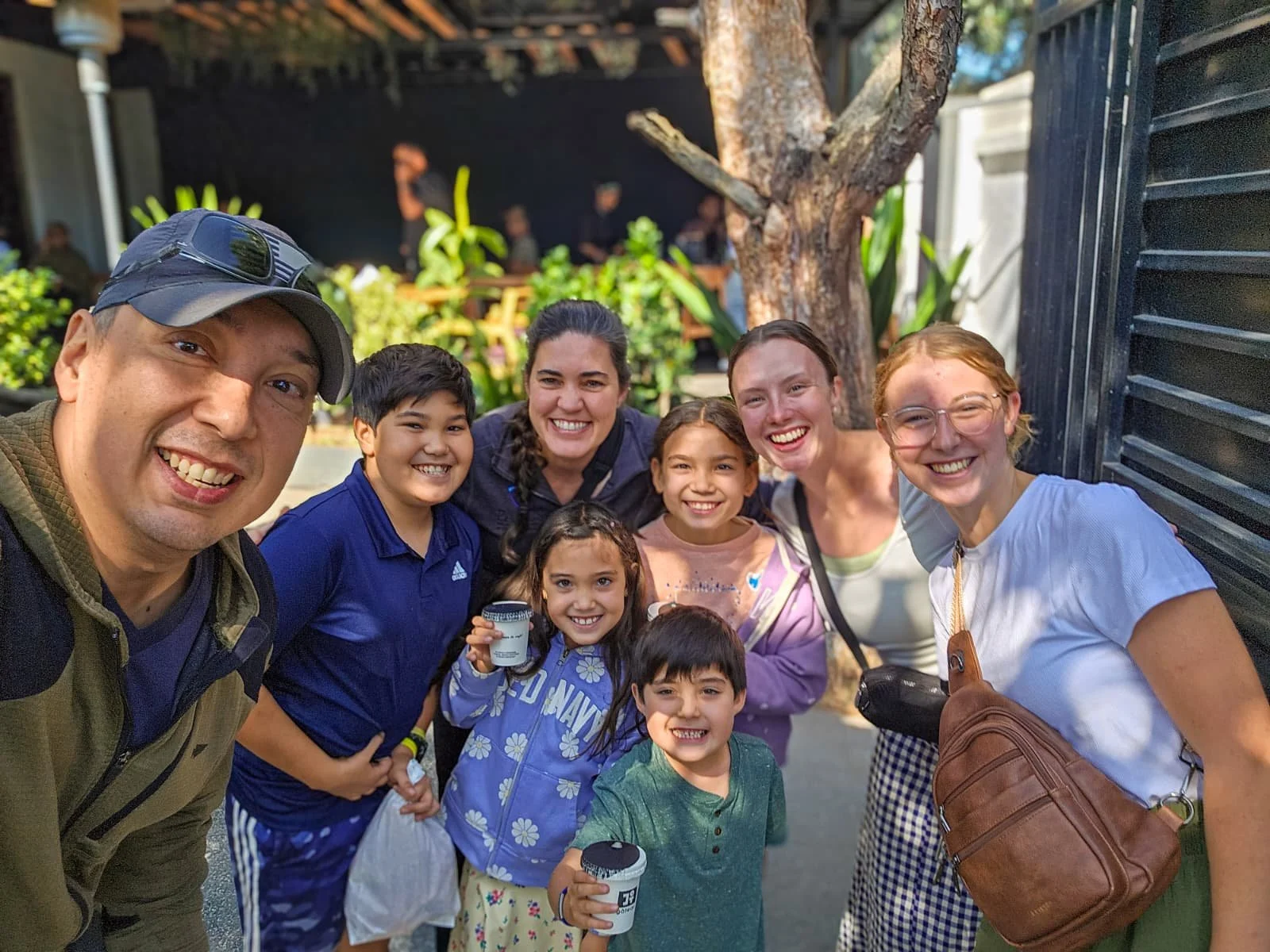
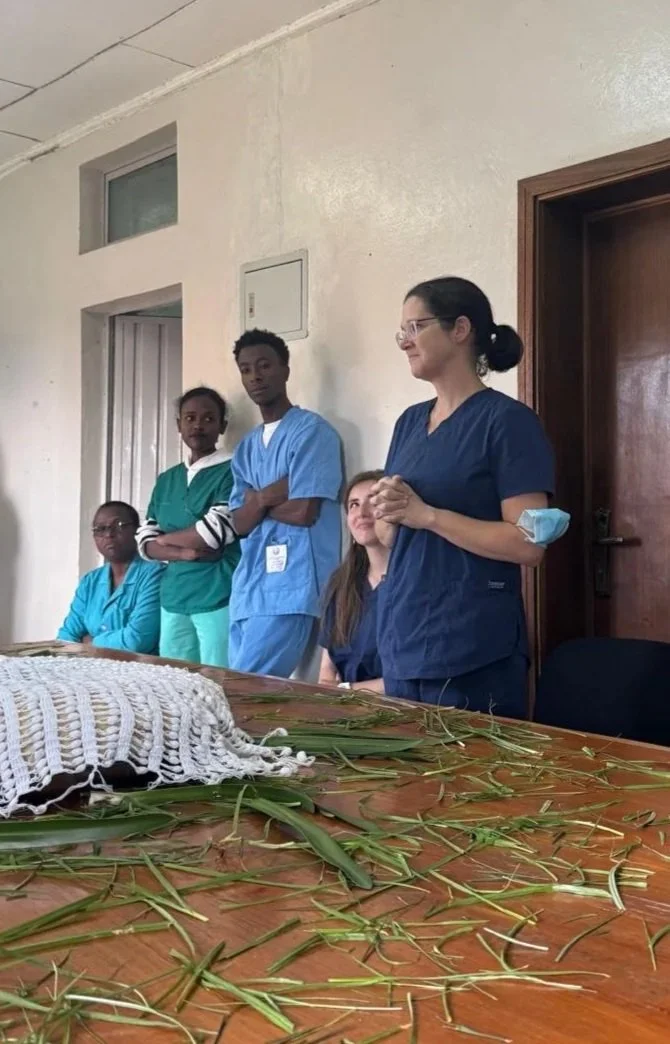
New Teammates!
We recently welcomed Claire and Naomi, who will be joining our team for the next 6 months to help us with homeschooling!
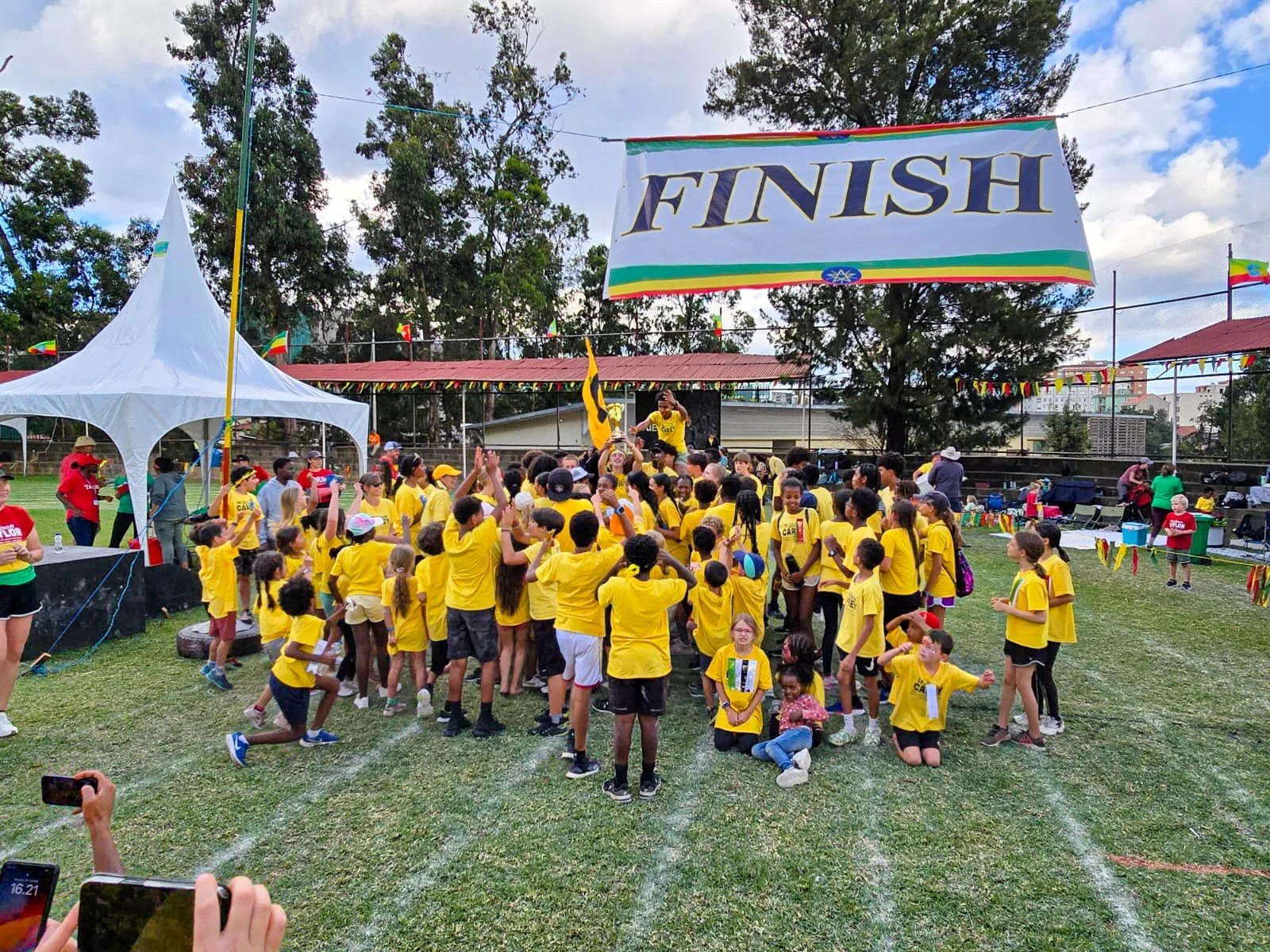
Field Day this year!
Our kiddos will get to participate in Field Day at the international school that they attended while we were in Addis Ababa. (We were supposed to attend last year and then a little thing called Marburg happened.)
Things to Pray For:
Discipleship Opportunity: Please continue to pray for a young married couple whom Rachel trains who have approached us about continuing to obey the Lord and potentially pursue medical missions in another African country. Please pray for us as we continue to disciple and guide them in this process.
New Teammates: Please pray for Claire and Naomi as they learn what life is like in Ethiopia. Please continue to pray for our team to grow. We’ve had encouraging conversations with several people interested in serving in Soddo. Pray for clarity and discernment in their next steps and that God would bring the right people to join us.
The Hope Center: Please pray for wisdom and provision as we move the Hope Center toward construction.
The Blood Situation: Please pray for sustainable solutions to the blood shortages facing our hospital and others across Ethiopia. Pray for the resources needed to organize regular blood drives, for more people to become voluntary donors, and for the patients whose lives depend on blood being available when they need it most.
If you have any prayer requests, we would love to hear from you. If you would like to set up a video chat, send us a message! You can contact us on WhatsApp or email us at LCRC@cobosethiopia.org.
If you want to learn more about how to help us on this journey, please click the link below!
