More Than Training Surgeons
Give a man a fish, and you’ll feed him for a day;
Teach him to fish, and you’ll feed him for a lifetime.
Three years. Three years of living side by side. Three years of sharing meals, walking dusty roads, and doing life together.
Jesus spent three years in close fellowship with twelve men. They witnessed His miracles, listened to His teaching, and watched how He interacted with those around Him. They saw His compassion for the sick, His patience with the struggling, and His love for the lost. He didn't simply teach them what to believe; He showed them how to live. He even sent them out to put into practice what they had learned.
At the end of those three years, He gave them the Great Commission and sent them out to make disciples of all nations.
Five years. Five years of living in community. Five years of working side by side. Five years of seeing patients, operating together, studying, learning, making mistakes, and growing.
Surgical residency is an all-encompassing experience. It is demanding, exhausting, humbling, and incredibly rewarding. Over five years, a young physician is molded into a surgeon. But the transformation extends far beyond technical skills and medical knowledge. It shapes how they think, how they make decisions, how they respond under pressure, and how they care for the people entrusted to them.
And one of my greatest joys in medicine has been having a front-row seat to that transformation.
The Joy of Teaching
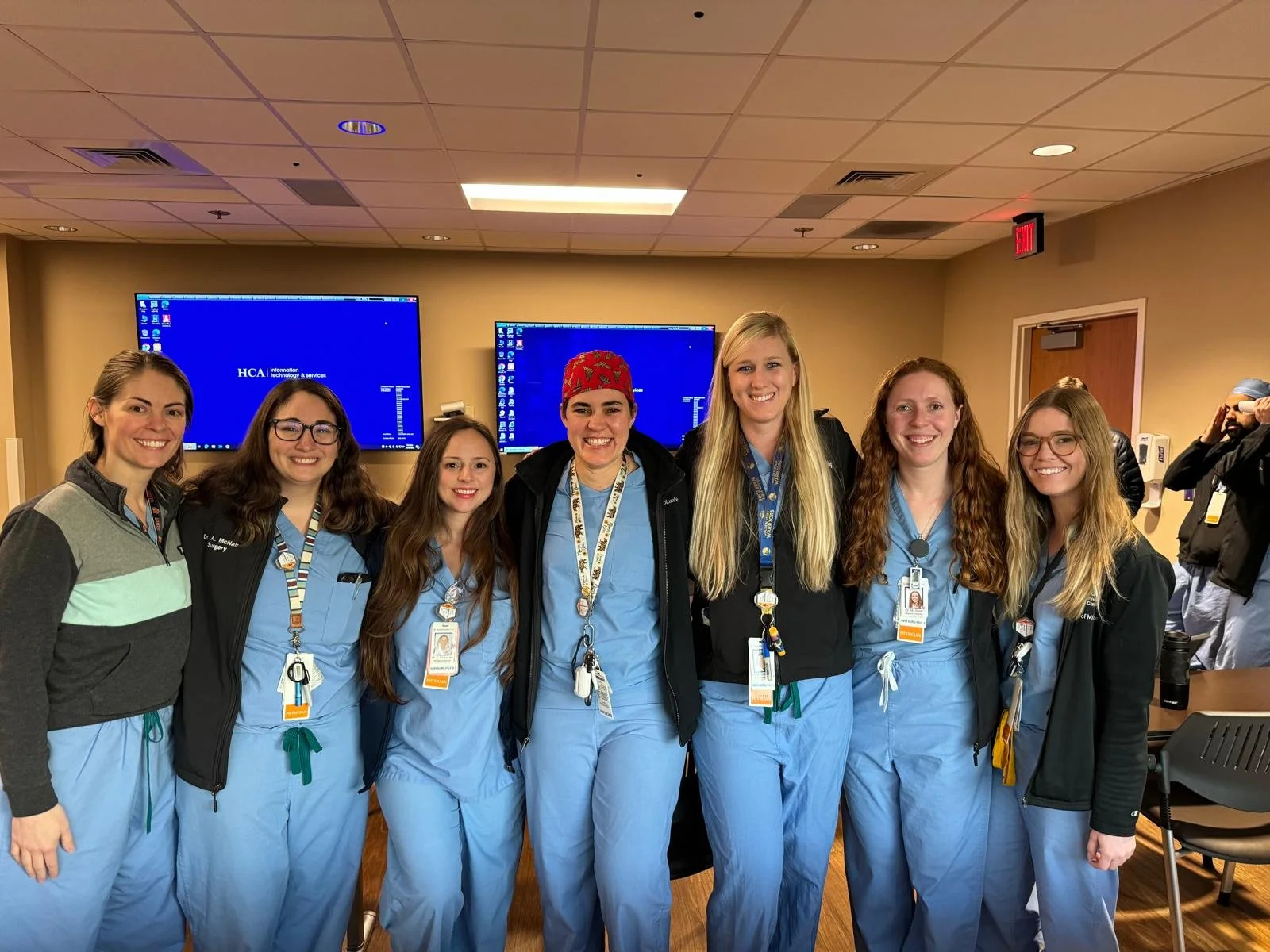
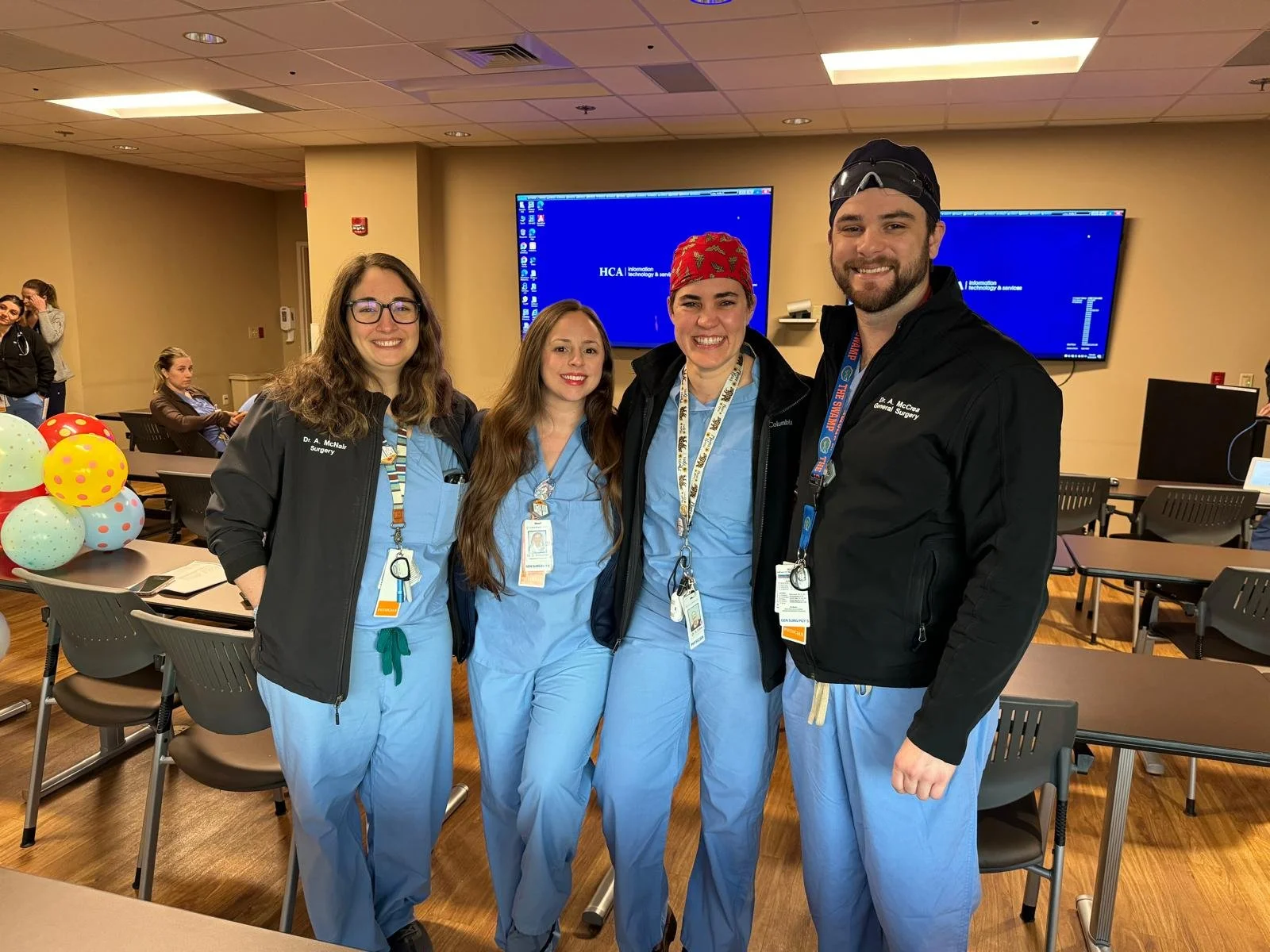
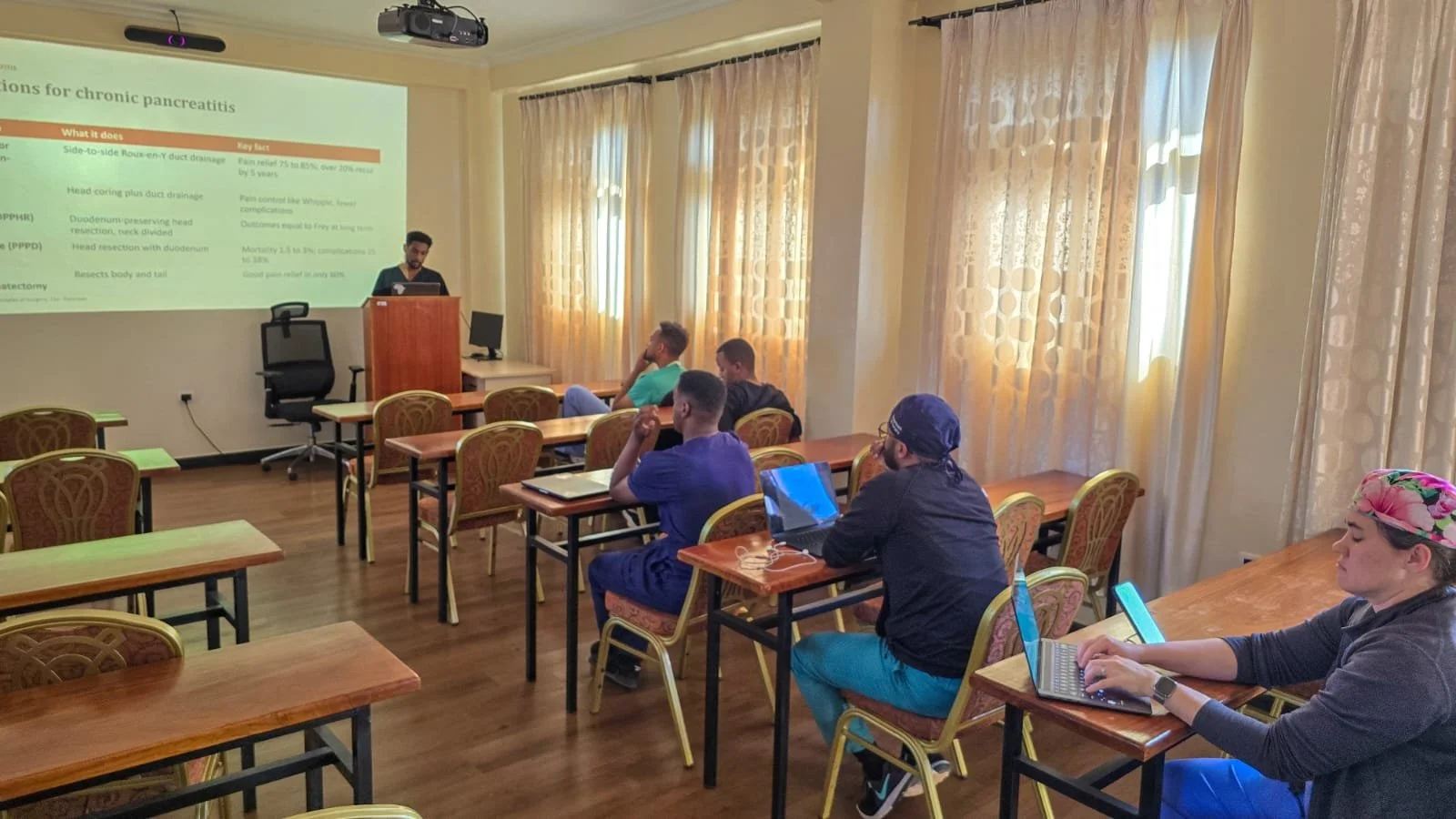
My first job after completing fellowship was at a residency training program in South Carolina. For six years, I had the privilege of working alongside surgical residents, teaching them in the operating room, caring for patients together, and watching them grow.
There is something incredibly special about watching a first-year resident arrive, unsure of themselves and perhaps a little overwhelmed by the responsibility of being a physician. Over the years, the hesitant resident begins to make decisions with confidence. The hands that once struggled with basic surgical techniques become steady and skilled. Eventually, you find yourself standing across the operating table from someone you once taught how to hold an instrument, realizing you would now trust them to operate on you.
But sometimes, the greatest growth happens outside the operating room.
I remember one resident in particular who had a difficult transition during her first year. She struggled with challenges within the hospital and frequently questioned whether she had chosen the right residency program or even the right specialty. She was frustrated, discouraged, and uncertain about her future in general surgery.
Over the years, I watched her persevere. She grew in her surgical abilities, confidence, maturity, and leadership. By the end of her chief year, she had become an extraordinarily competent surgeon.
Near graduation, she shared something with me that I have never forgotten.
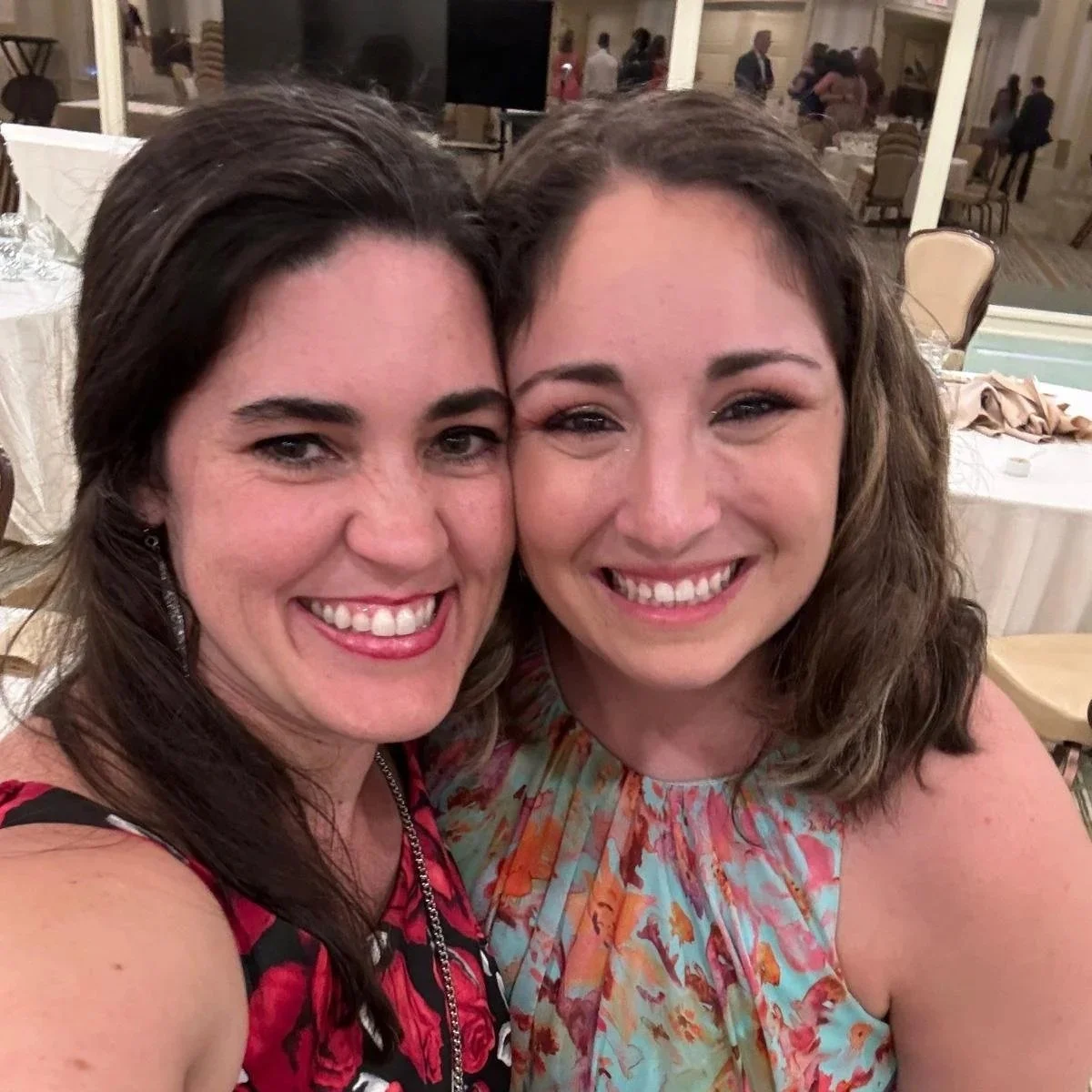
She told me that early in her training, she had perceived me as passive in the face of some of the problems that frustrated her. But as the years passed, she recognized that I had been working to address those challenges, sometimes slowly and in ways that weren't immediately visible. She had come to understand that meaningful change often requires patience, persistence, and a willingness to keep working even when progress seems small.
And she told me that watching that process had impacted her.
That conversation meant so much to me. I had spent years teaching her how to operate, manage critically ill patients, and make difficult clinical decisions. Yet one of the lessons that stayed with her had little to do with surgery itself.
It was a reminder that, whether we realize it or not, we are always teaching. Our residents are watching how we respond to frustration, how we treat others, and how we persevere when things are difficult.
The lessons we model may be just as important as the ones we intentionally teach.
“She had come to understand that meaningful change often requires patience, persistence, and a willingness to keep working even when progress seems small.”
Why PAACS?
When we began exploring where God might be leading our family to serve, the opportunity to continue training surgical residents was incredibly important to me. That is what drew me to Soddo Christian Hospital and its partnership with the Pan-African Academy of Christian Surgeons (PAACS).
The mission of PAACS resonated deeply with me:
“To glorify God by training and discipling African surgeons and related specialists to become Christ-like leaders and servants providing excellent and compassionate care to those most in need.”
Its vision is equally compelling:
“A growing number of African surgeons and related specialists living out the Gospel and ministering to the sick.”
It is a mission that brings together two things I am passionate about: surgical education and following Christ.
Across much of Africa, access to safe surgical care remains limited. I can operate on a patient today and make a difference in that person's life. But if I help train a surgeon who will spend the next thirty years caring for patients, the impact extends far beyond what I could accomplish on my own.
And if that surgeon is also equipped to lead with compassion, integrity, humility, and a love for Christ, the impact reaches beyond the operating room.
“93% of people in sub-Saharan Africa lacked access to timely, safe, and affordable surgical care.”
More Than an Operation
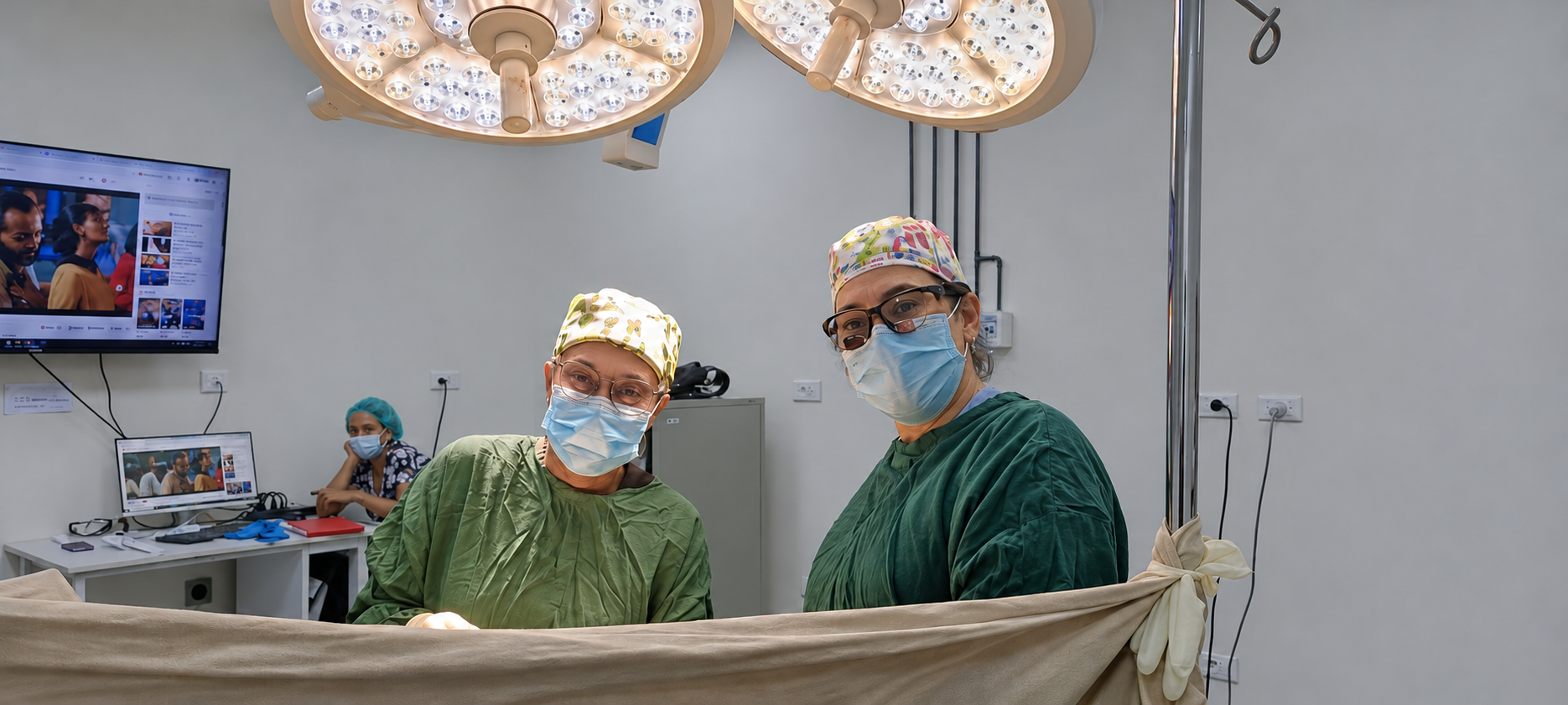
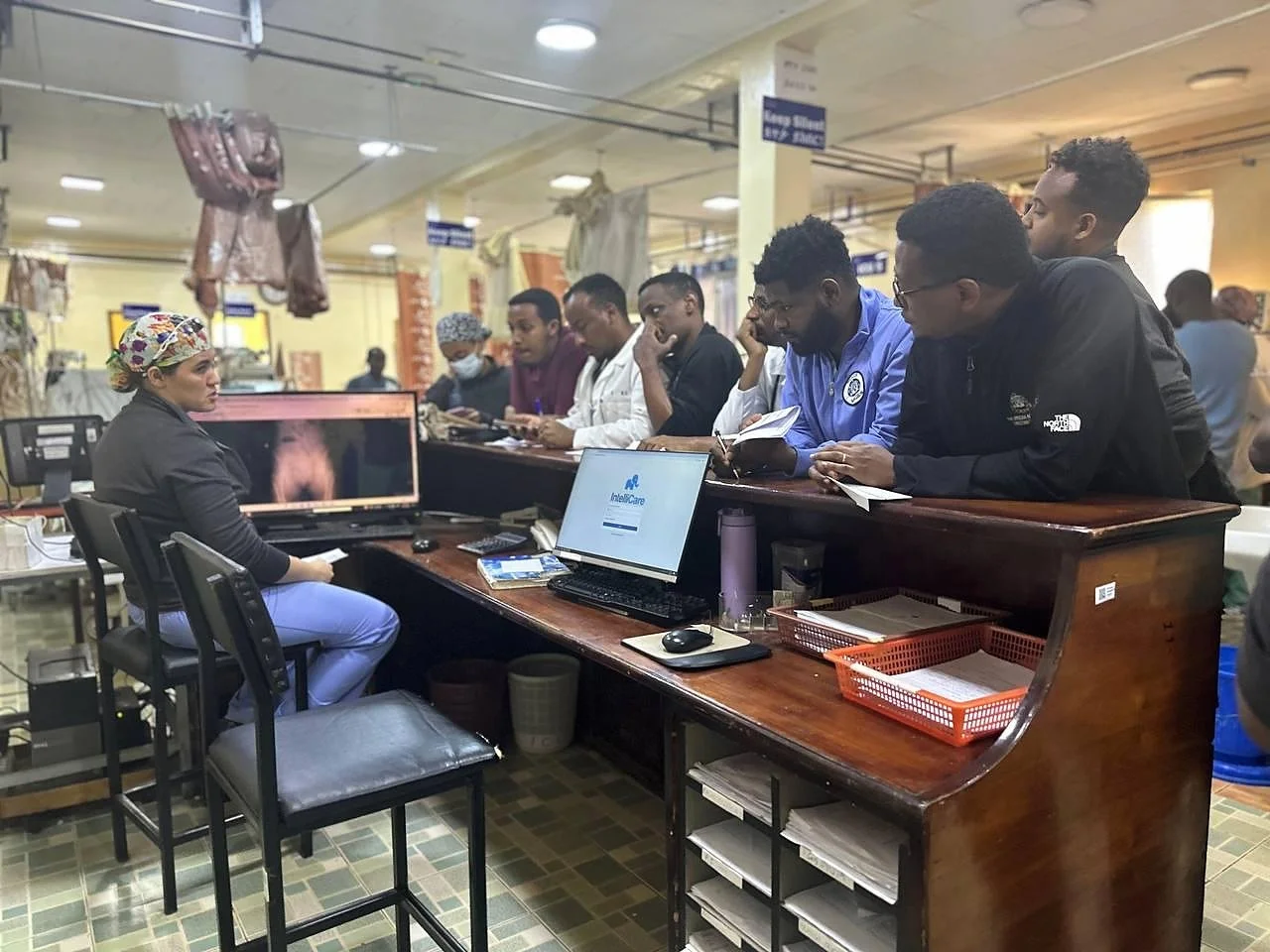
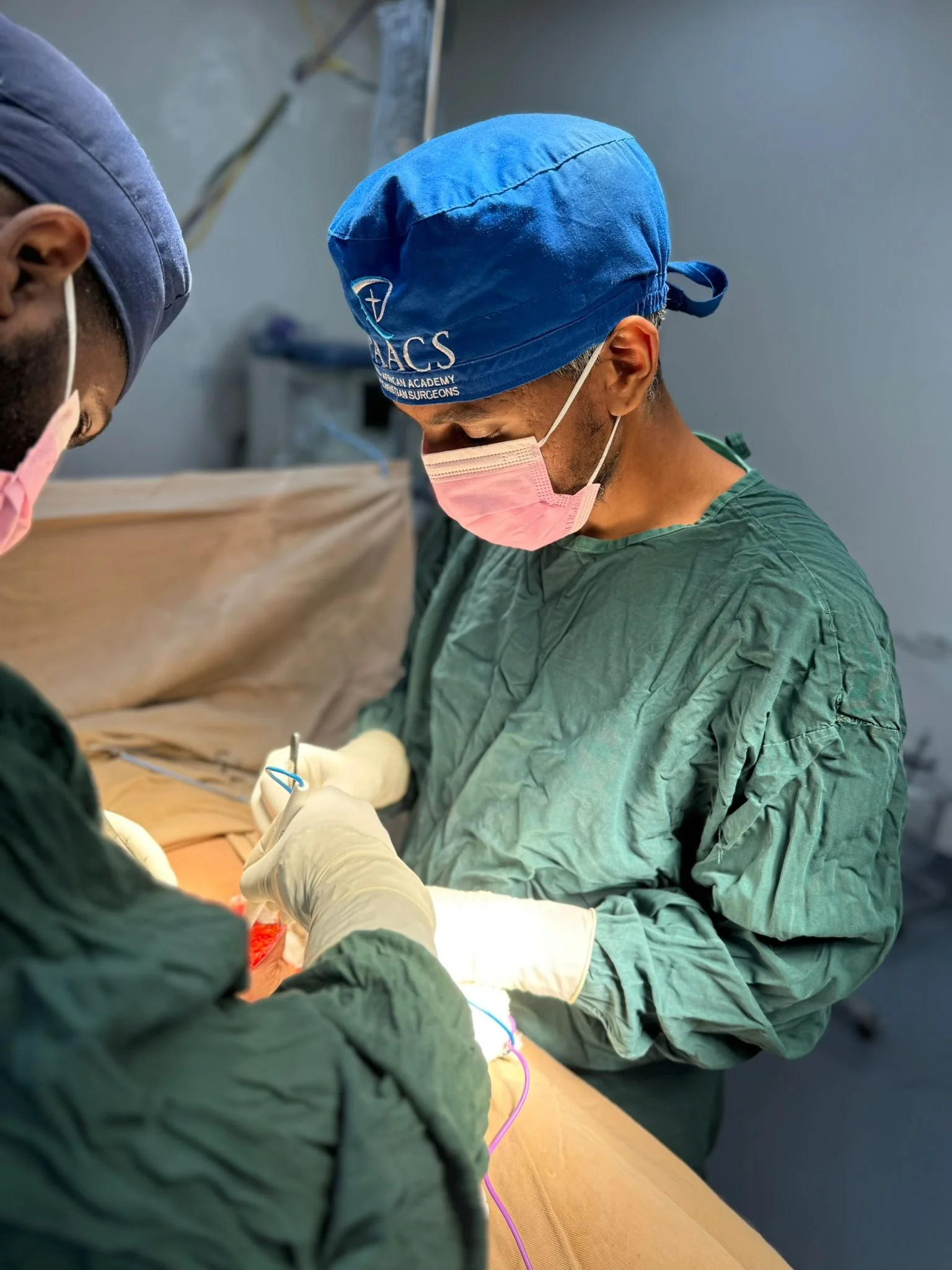
Surgical training happens in many places. It happens during morning rounds as we evaluate patients in the ICU and on the wards. It happens in the operating theater, where residents develop the skills and judgment needed to perform increasingly complex procedures. It happens overnight while on call, when difficult decisions must be made, often with limited resources. And it happens in clinic, where we have the opportunity to sit with patients, listen to their concerns, and determine how best to care for them.
I was reminded recently that some of the most meaningful moments in training have little to do with the technical aspects of surgery.
One day in clinic, a resident was evaluating a patient whose medical concerns were only part of a much larger struggle. Rather than focusing solely on the presenting symptoms, my resident took the time to ask questions, listen, and understand what was happening beyond the patient's physical health.
Through their conversation, he learned that the patient was struggling with loneliness and lacked opportunities to pursue a personal interest in technology.
What happened next was entirely my resident's initiative.
He gave the patient a computer he was no longer using and helped connect him with a local church community where he could begin building friendships.
I love this story.
Not because my resident made a particularly impressive diagnosis or performed a complicated procedure. But because he saw the person sitting in front of him.
He recognized that this patient's needs extended beyond the medical condition that brought him to the hospital. He needed connection, encouragement, and people who would walk alongside him.
And my resident chose to do something about it.
“Little children, let us not love in word or talk but in deed and in truth.”
That is the kind of physician I hope we are helping to train. A surgeon who is clinically competent, certainly, but also someone who recognizes the dignity of every patient, takes the time to listen, and sees opportunities to demonstrate Christ's love in practical and tangible ways.
Sometimes, living out the mission of PAACS looks less like a complicated operation and more like an old computer and an invitation to church.
Life Together
But there is another part of this work that has become just as meaningful to me.
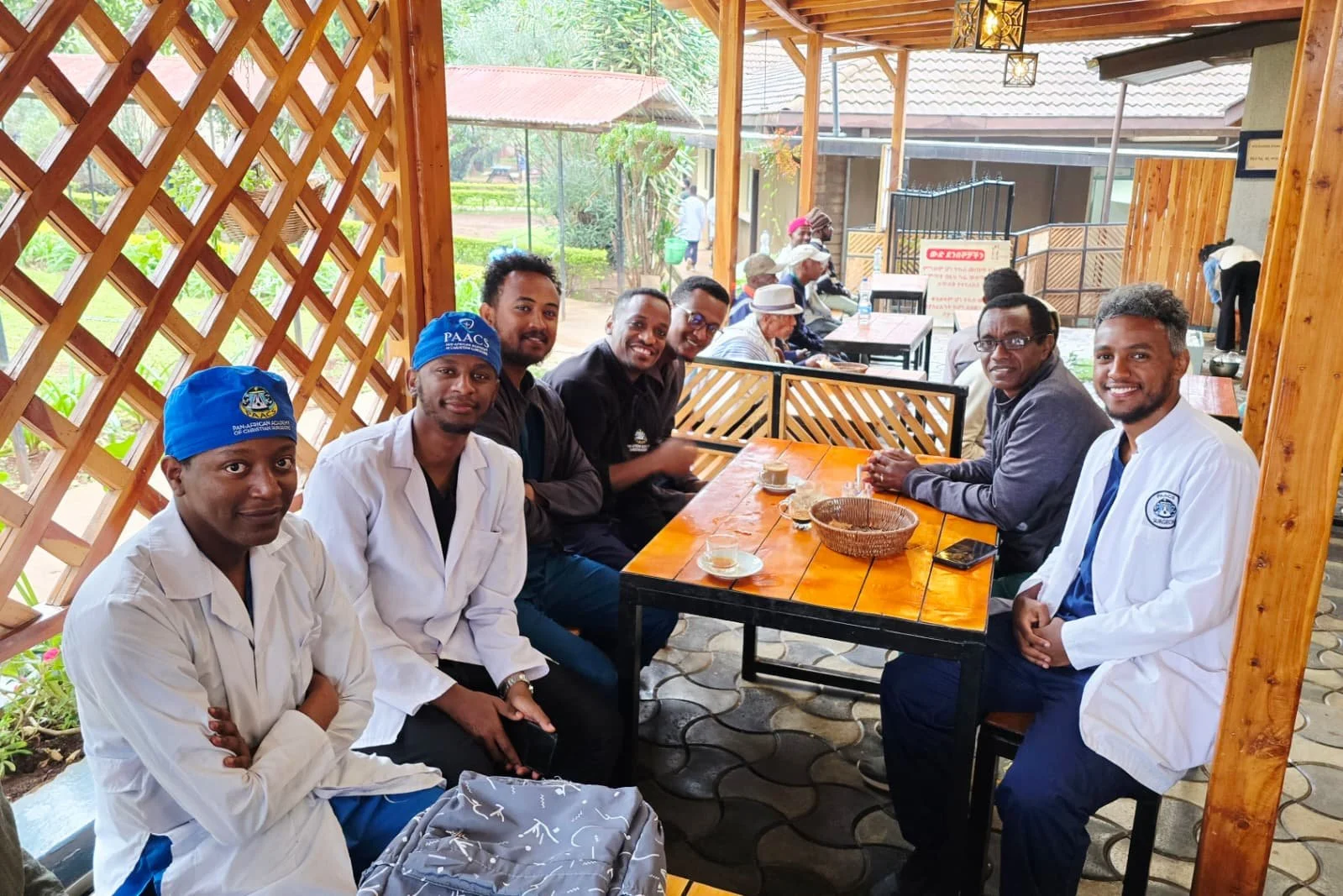
I don't simply get to participate in training surgeons. I also have the privilege of walking alongside them and their families as we grow together in our faith.
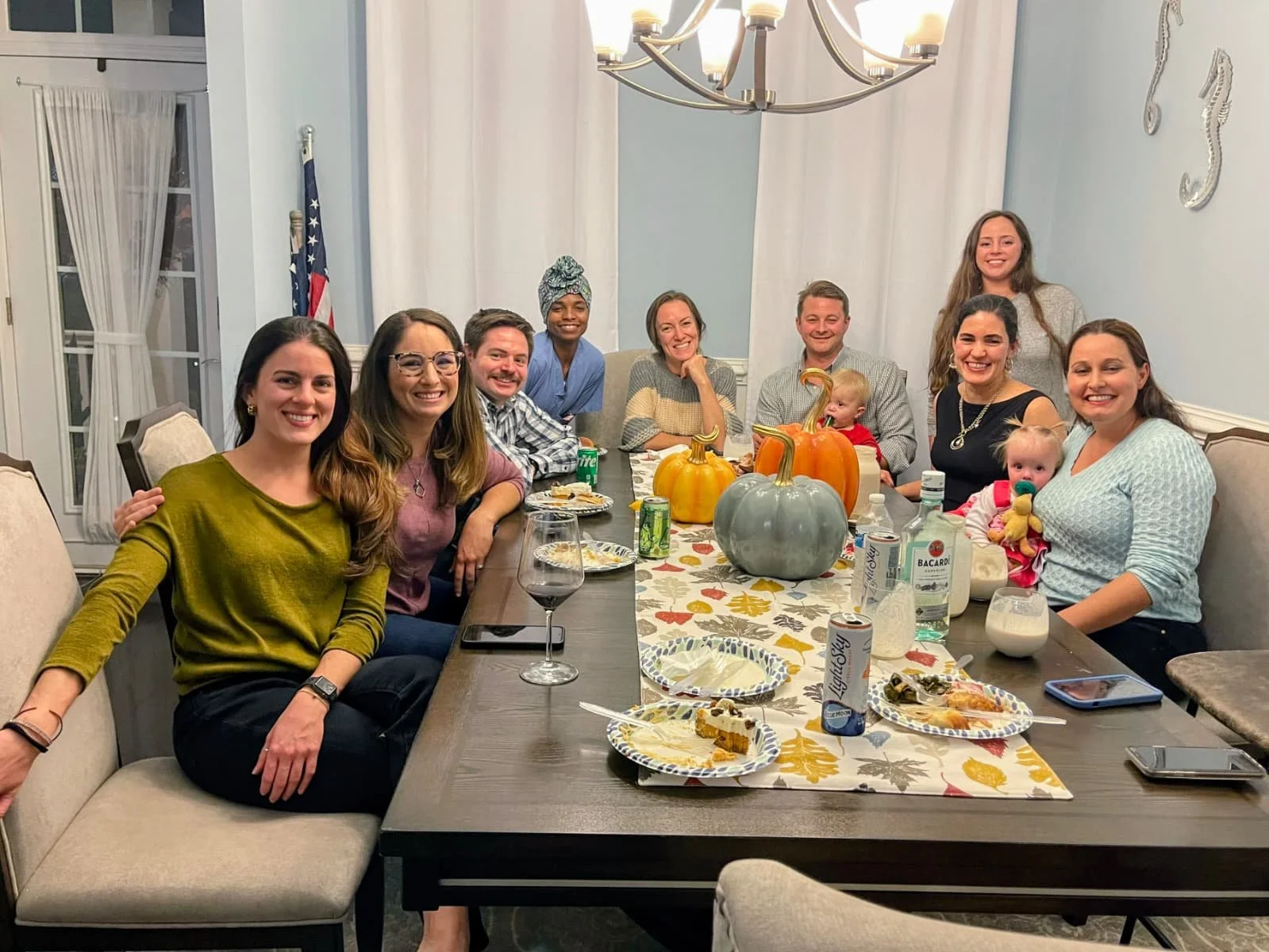
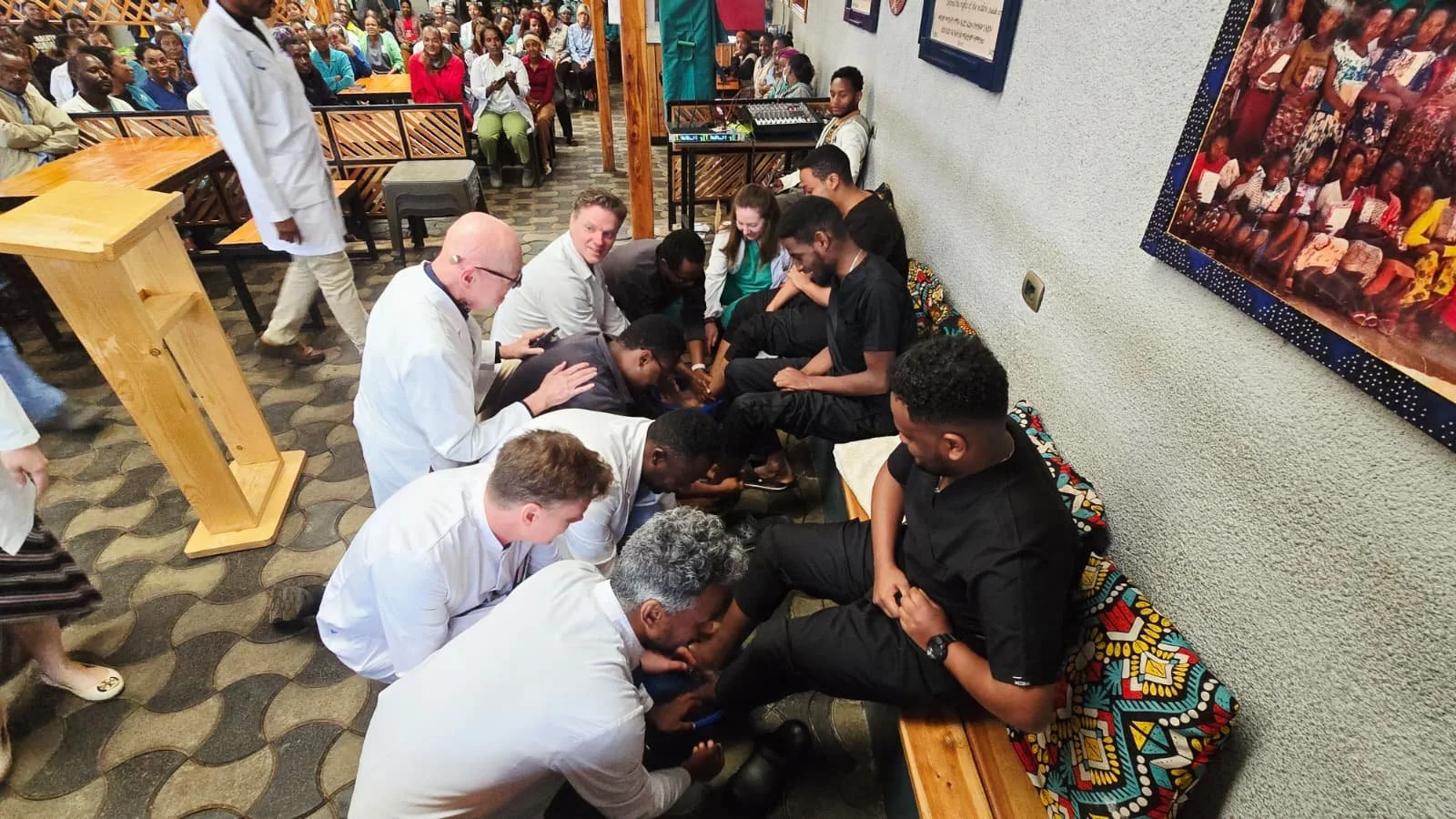
Just as Jesus' disciples learned through years of living life together, discipleship is not confined to a classroom, a lecture, or even a weekly Bible study. It happens through relationships, conversations, shared struggles, and the ordinary moments of everyday life.
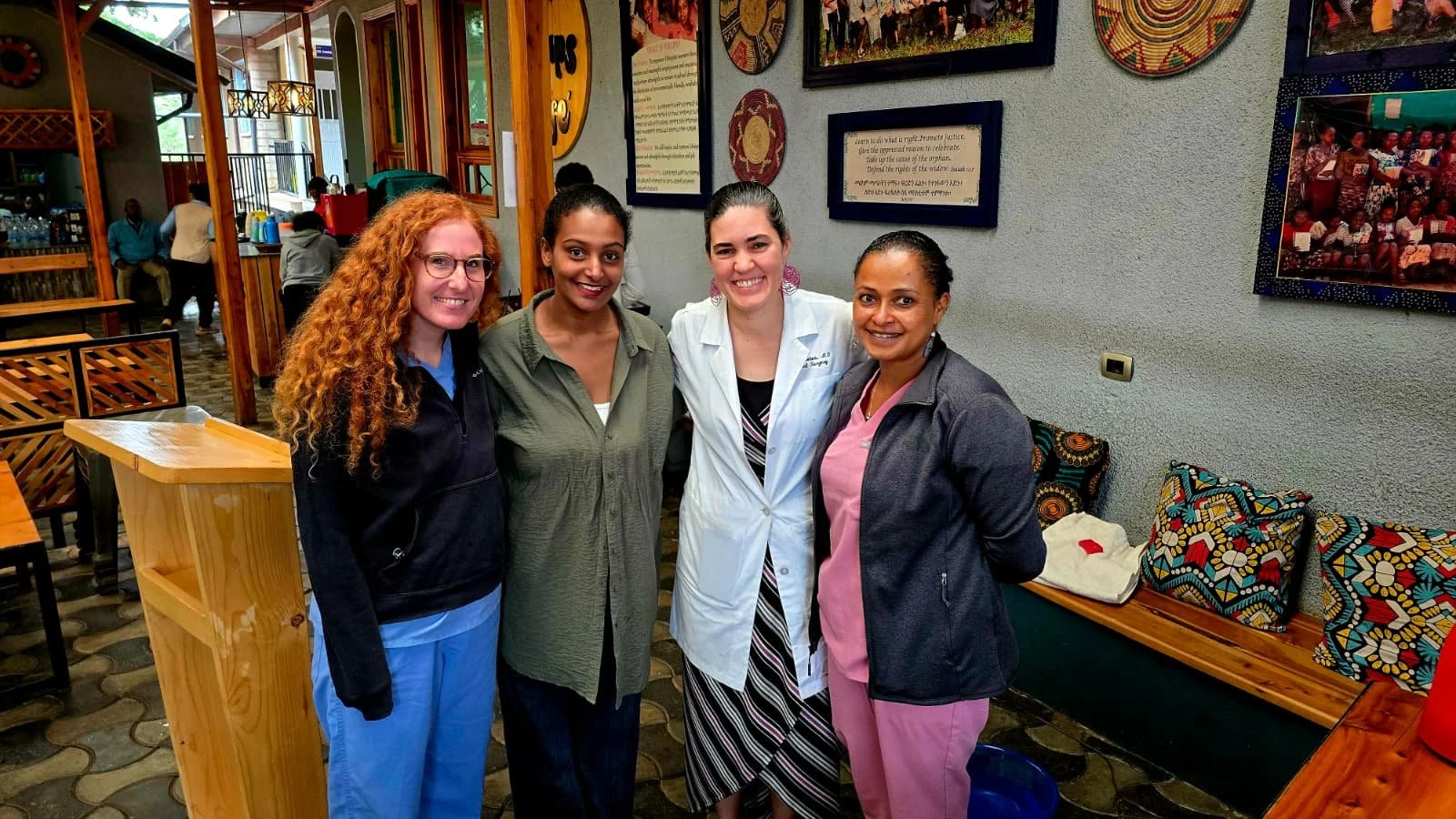
One of my greatest joys here in Soddo has been opening our home for the weekly surgical resident Bible study. There is something special about gathering outside the hospital, away from the demands of the operating room and the constant needs of patients, to study God's Word, pray together, and encourage one another.
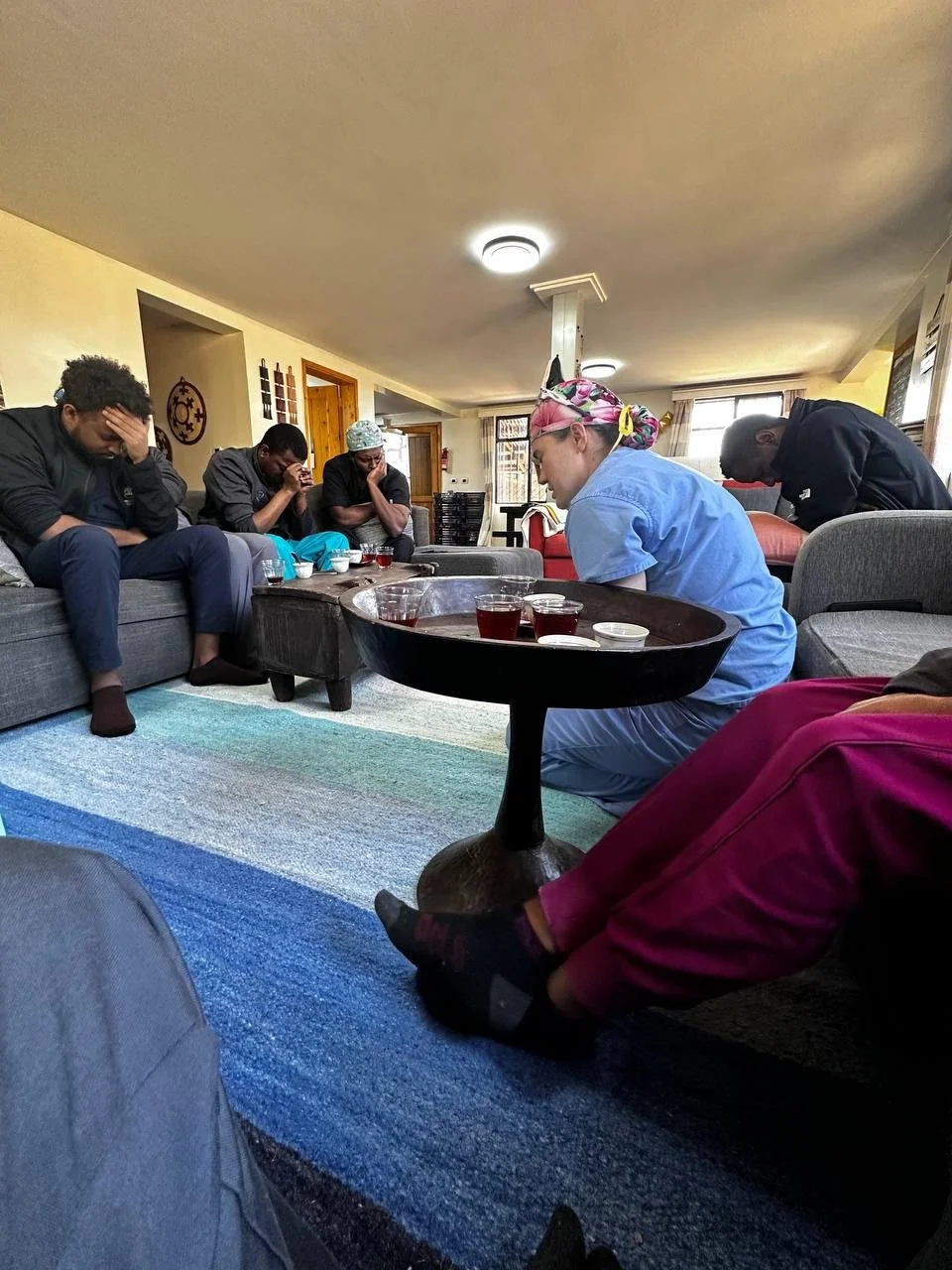
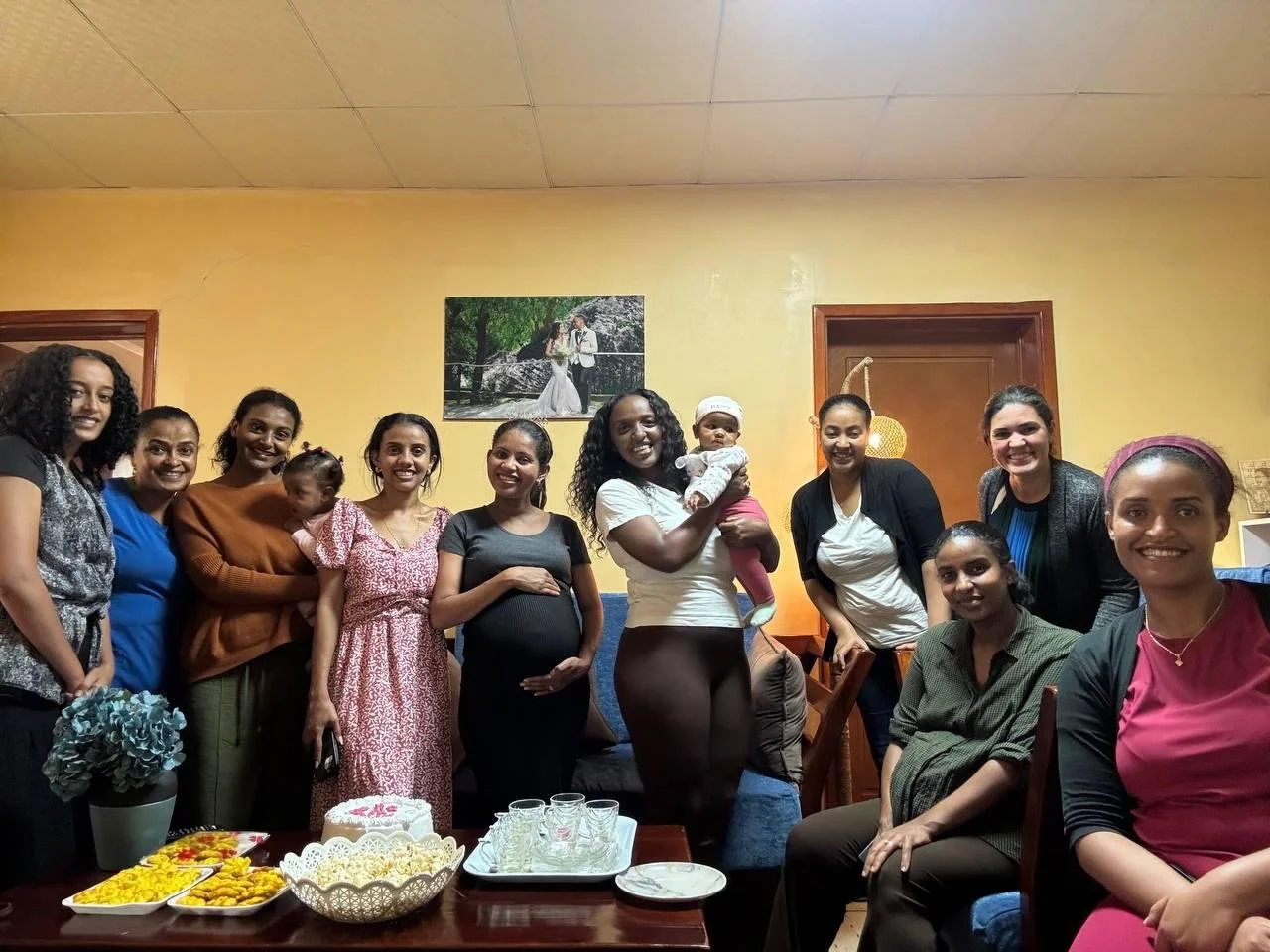
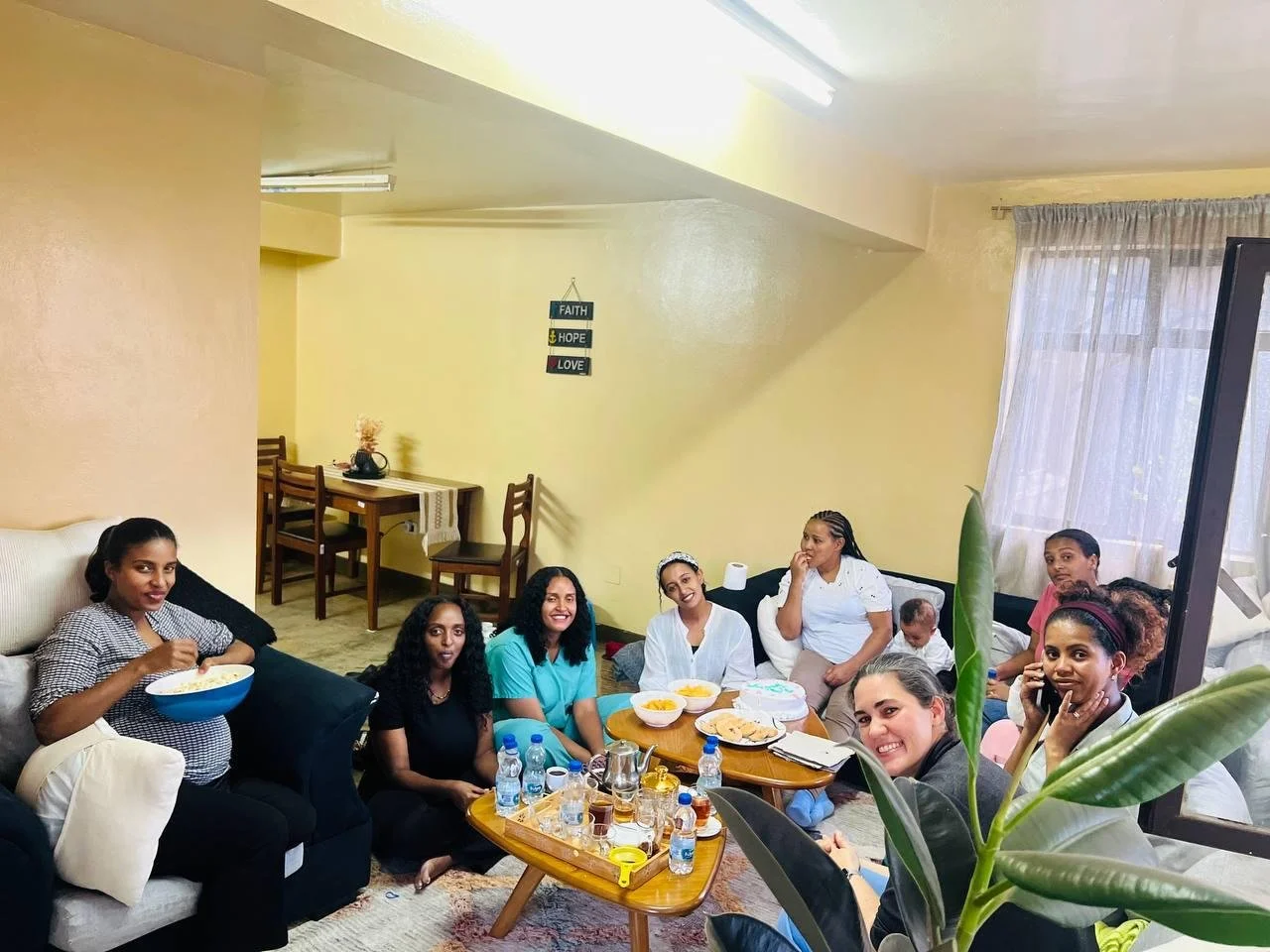
I also have the privilege of meeting weekly with the wives of many of our surgical residents.
These relationships are especially dear to me. Surgical residency is not simply a commitment made by the resident; it affects the entire family. There are long days, unexpected emergencies, missed meals, and sacrifices that often go unseen. Their wives and families walk through these years alongside them, carrying burdens of their own.
Having the opportunity to encourage these women, study Scripture together, share life, and build friendships has been an unexpected gift.
It is a reminder that our calling here is not simply to train excellent surgeons, but to invest in people. In marriages. In families. In men and women who are learning what it means to follow Christ in every aspect of their lives.
Five Years, a Lifetime of Impact
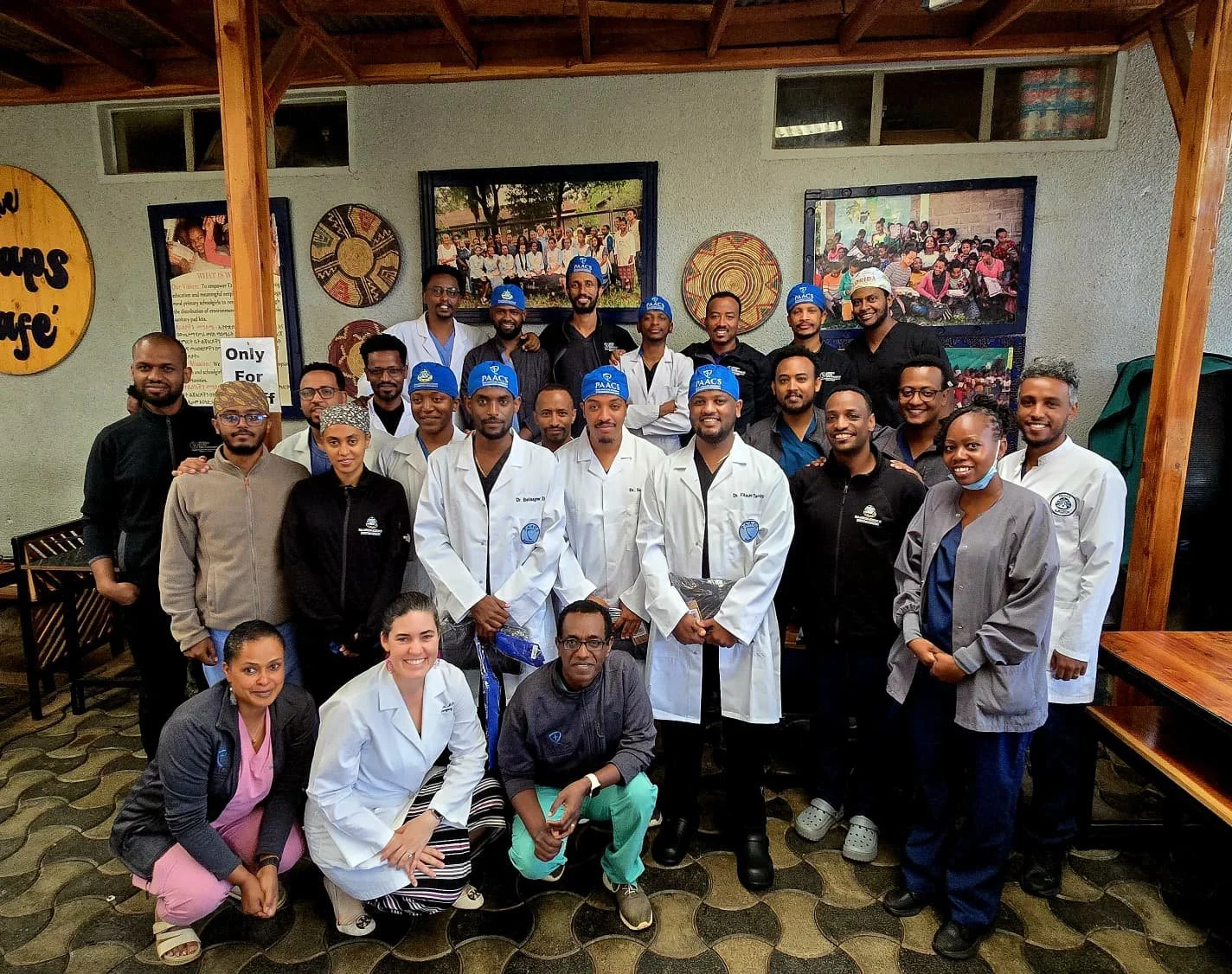
At the end of five years, our residents will graduate.
Some may remain in Soddo. Others will serve in hospitals and communities throughout Ethiopia and across Africa. They will operate on patients we will never meet, train physicians we will never know, and have opportunities to share the love of Christ with people we may never encounter.
I think back to those twelve ordinary men who spent three years walking alongside Jesus. They weren't perfect. They made mistakes, asked questions, struggled to understand, and sometimes failed spectacularly. Yet Jesus patiently invested in them, prepared them, and ultimately sent them out.
Our work here looks different, of course. We spend our days in operating rooms and hospital wards rather than walking the roads of Galilee. But the principle of investing deeply in a few so that they can go on to serve many remains profoundly meaningful.
Five years may seem like a long time. But when I think about the decades of surgical care these residents will provide, the patients they will serve, the families they will influence, and the people they will disciple, five years suddenly seems like a small investment with an extraordinary return.
I may never meet most of the people whose lives will be touched through these surgeons. And that's okay. Because the goal was never for me to be the one doing all the work. The goal is to prepare others to carry it forward.
We aren't simply training surgeons for the next operation. We're investing in people who will carry both the skills of surgery and the love of Christ into communities across Africa for years to come.
Praises:
Compassion Beyond the Operating Room: Praise God for the ways our surgical residents are demonstrating Christ's love through compassionate care. We're encouraged to see them recognizing needs beyond medicine and responding with generosity, kindness, and faith.
Growing in Faith Together: We're grateful for the relationships God is building with our surgical residents and their families. Our weekly Bible studies, fellowship, and time together have provided meaningful opportunities for discipleship and mutual encouragement.
The Next Generation of Medical Missionaries: Praise God for a young married couple who are exploring a calling to medical missions elsewhere in Africa. We're thankful for the opportunity to disciple and encourage them as they consider where God may be leading them next.
Things to Pray For:
Training the Next Generation: Pray for our surgical residents as they grow in their medical skills, faith, and leadership. May they become compassionate, Christ-centered surgeons who will serve patients and share the love of Christ throughout Africa.
Discipleship and Relationships: Pray for our ongoing Bible studies and relationships with residents and their families. Ask God to strengthen marriages, deepen their faith, and help us faithfully invest in those He has placed in our lives.
New Teammates: Continue praying for Claire and Naomi as they adjust to life in Ethiopia, and for those considering joining our team. Pray for wisdom and discernment as they explore God's calling and for the right people to join us in Soddo.
The Hope Center: Pray for wisdom and provision as we move the Hope Center toward construction. Ask God to guide the decisions ahead and provide the resources needed to expand compassionate care for women and children.
If you have any prayer requests, we would love to hear from you. If you would like to set up a video chat, send us a message! You can contact us on WhatsApp or email us at LCRC@cobosethiopia.org.
Partner With Us
The impact of training one surgeon extends far beyond the operating room. Through your prayers and financial partnership, you help make it possible for our family to serve in Ethiopia, invest in future surgeons, and share the love of Christ with patients and families.
Would you prayerfully consider partnering with us in this work? Together, we can invest in a ministry whose impact will reach far beyond our time in Ethiopia.